

Packaging Design.
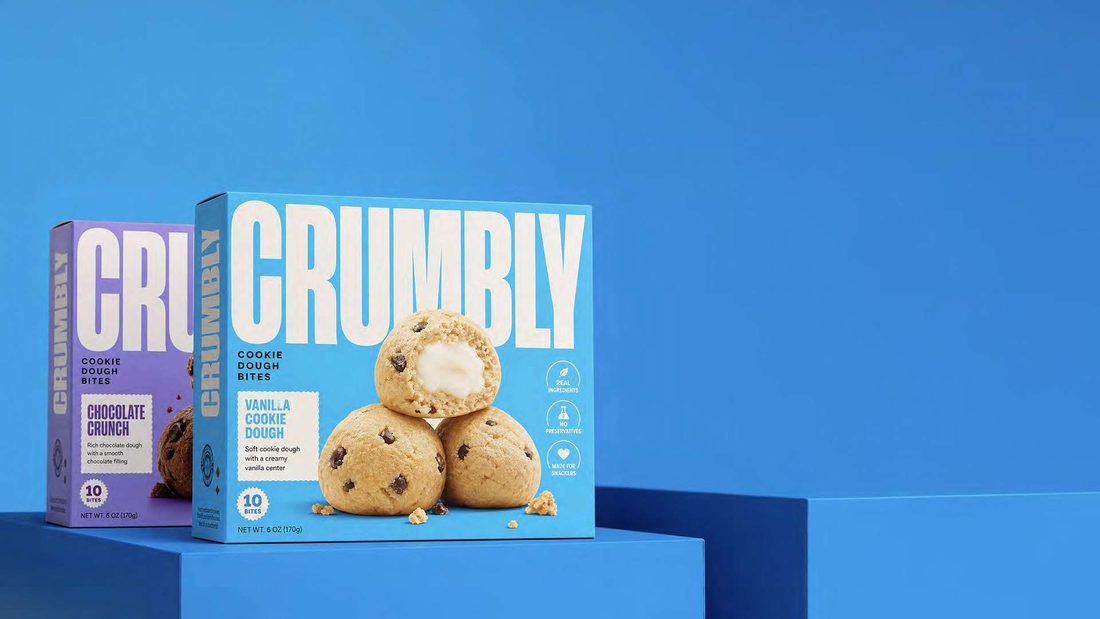
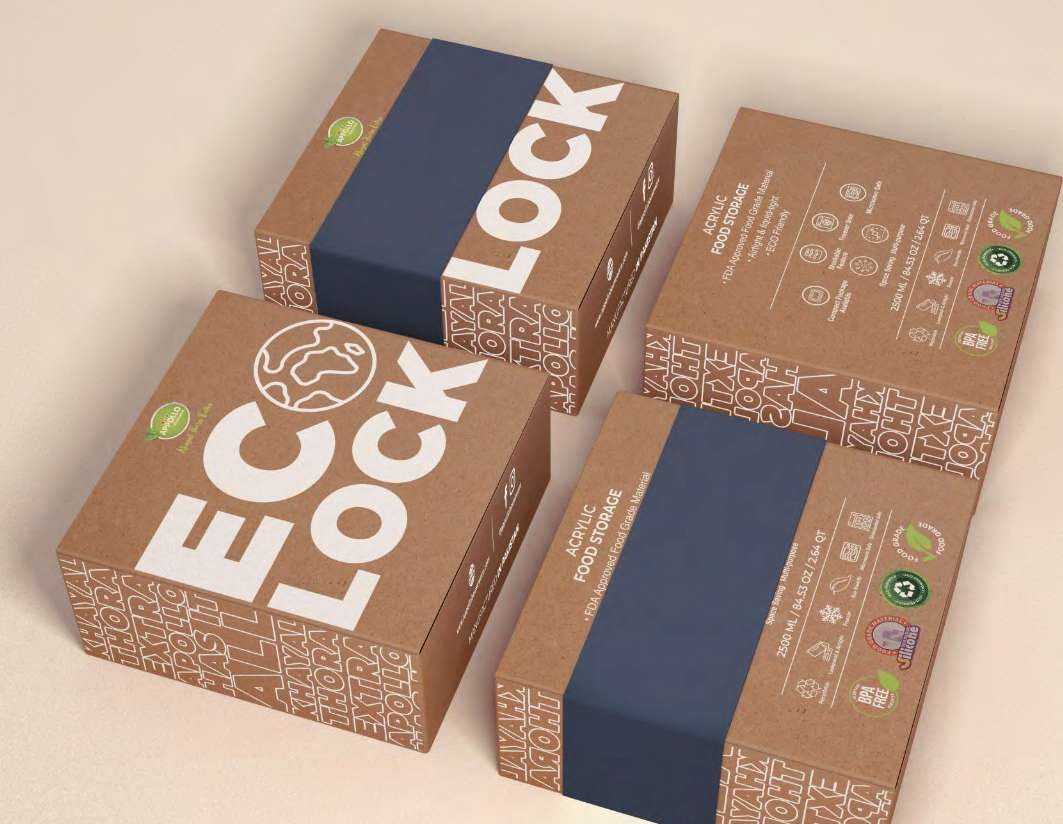
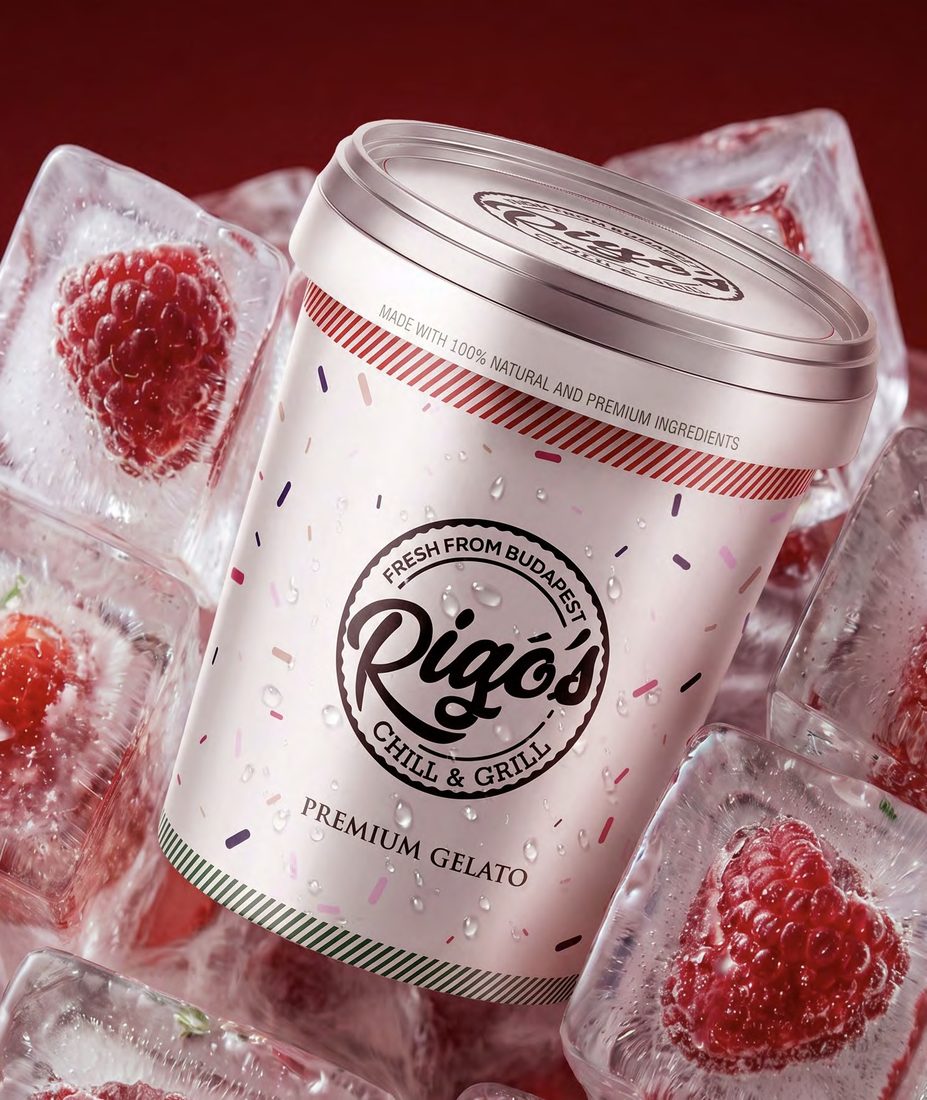
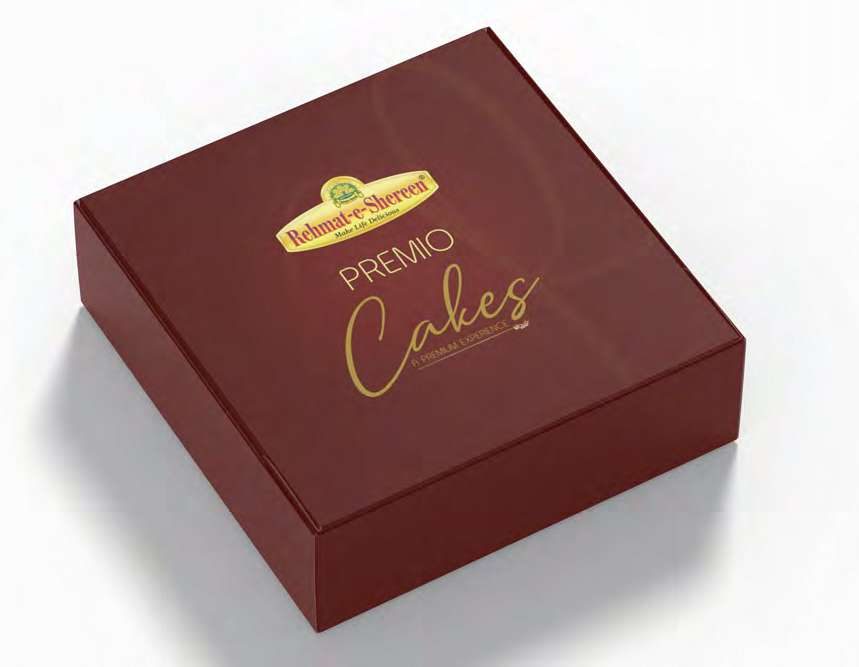
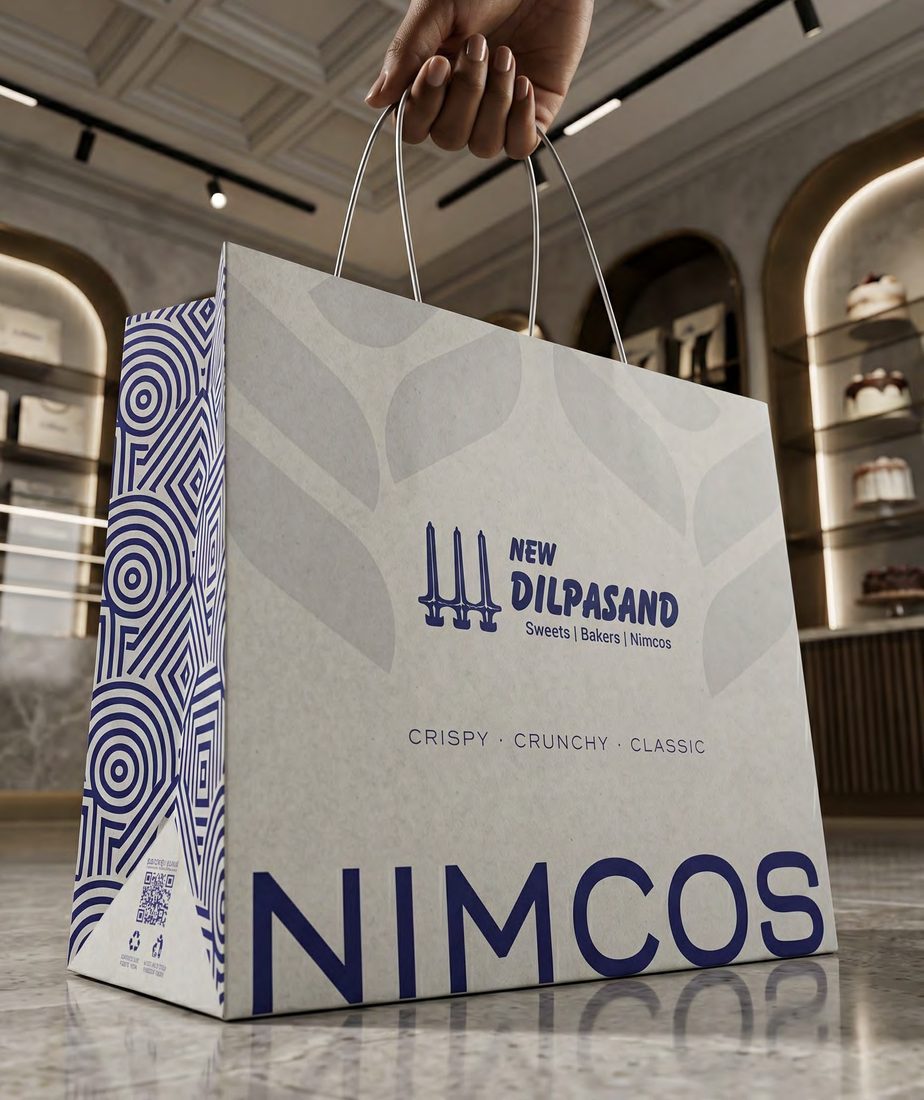

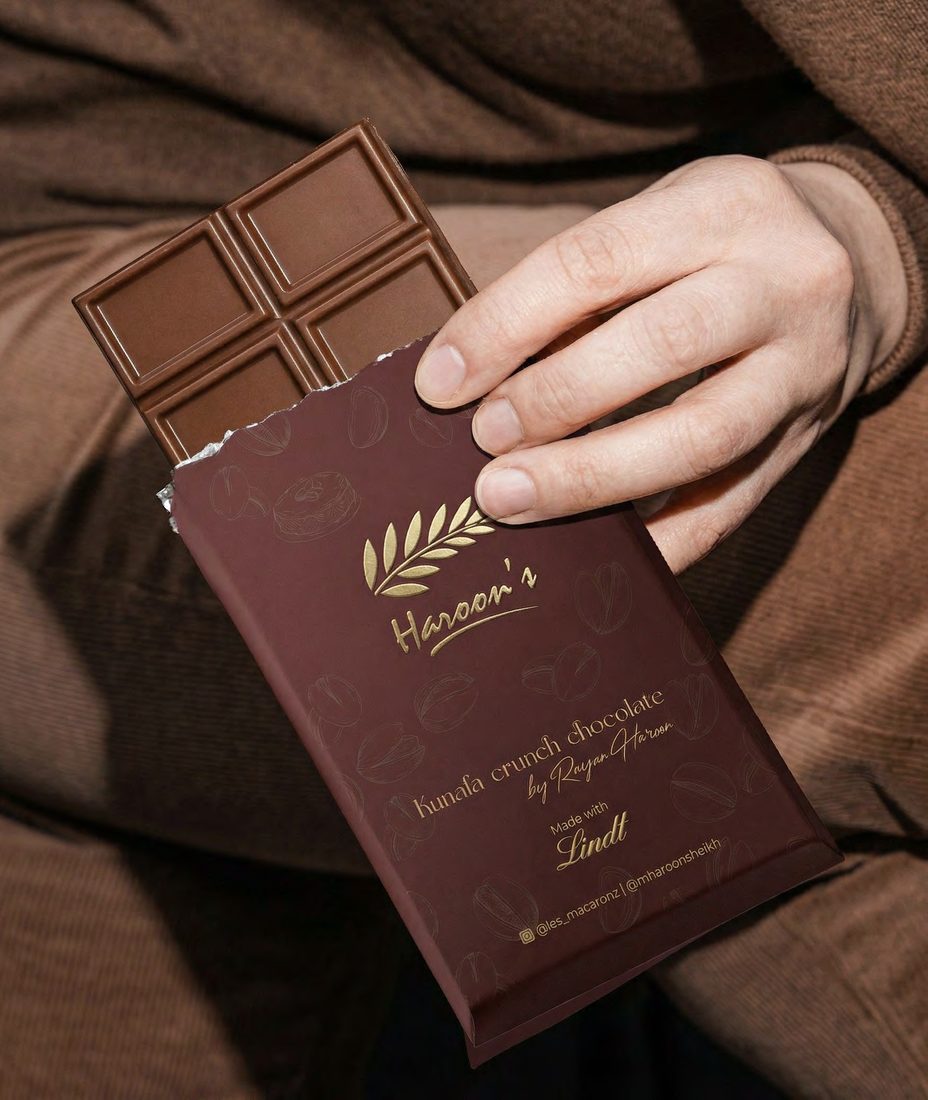
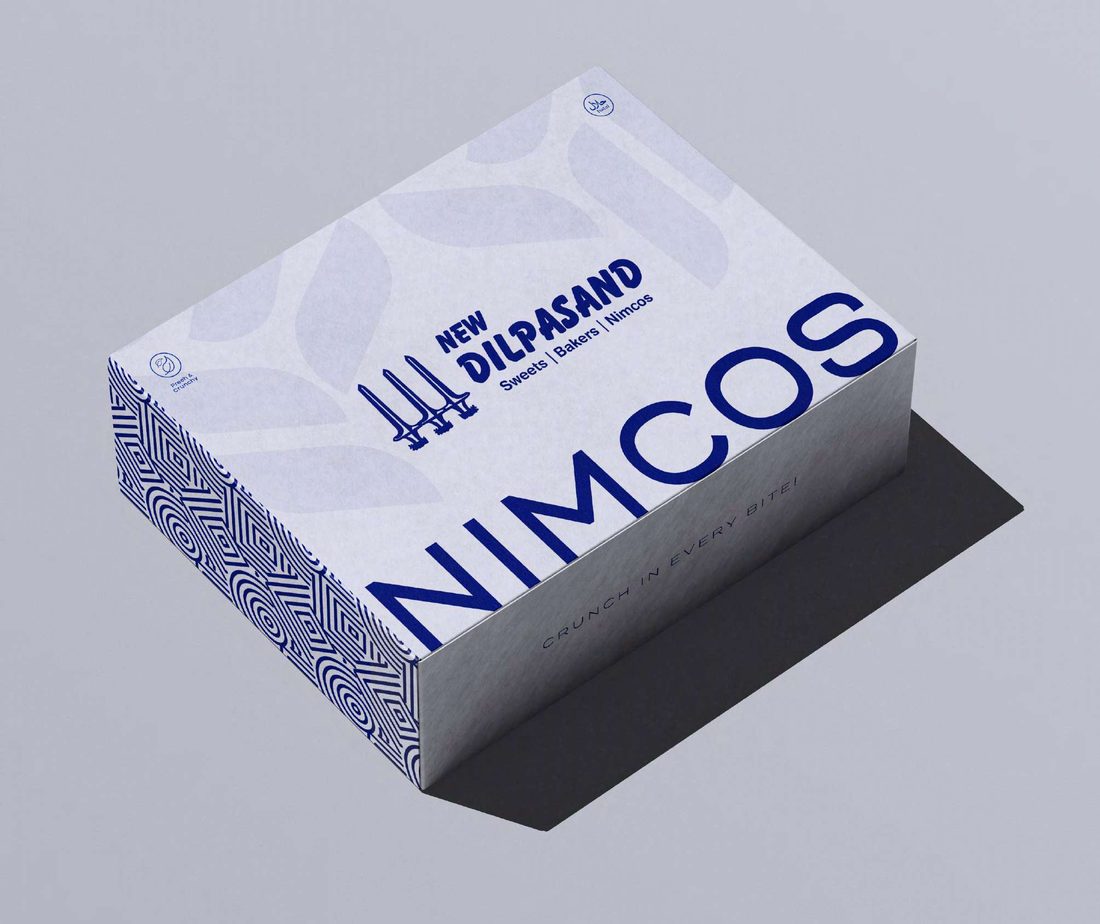
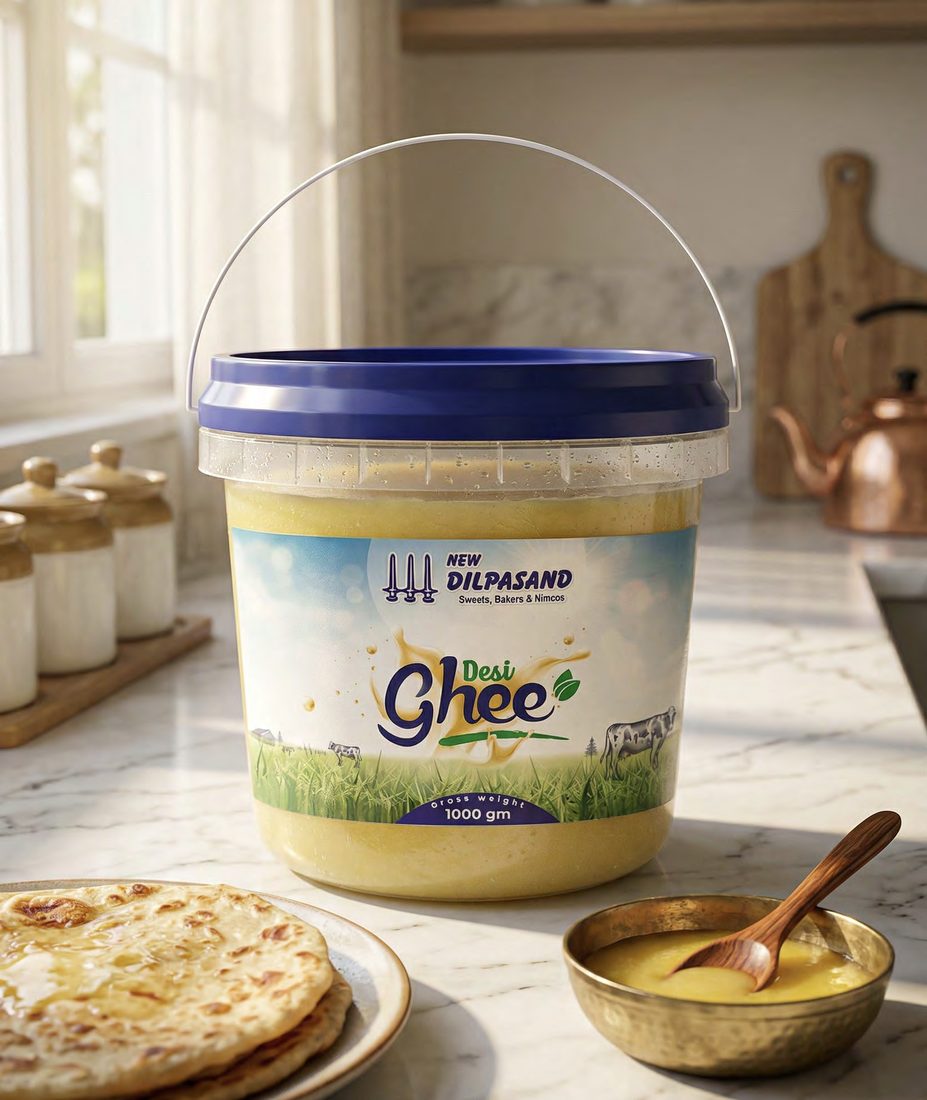
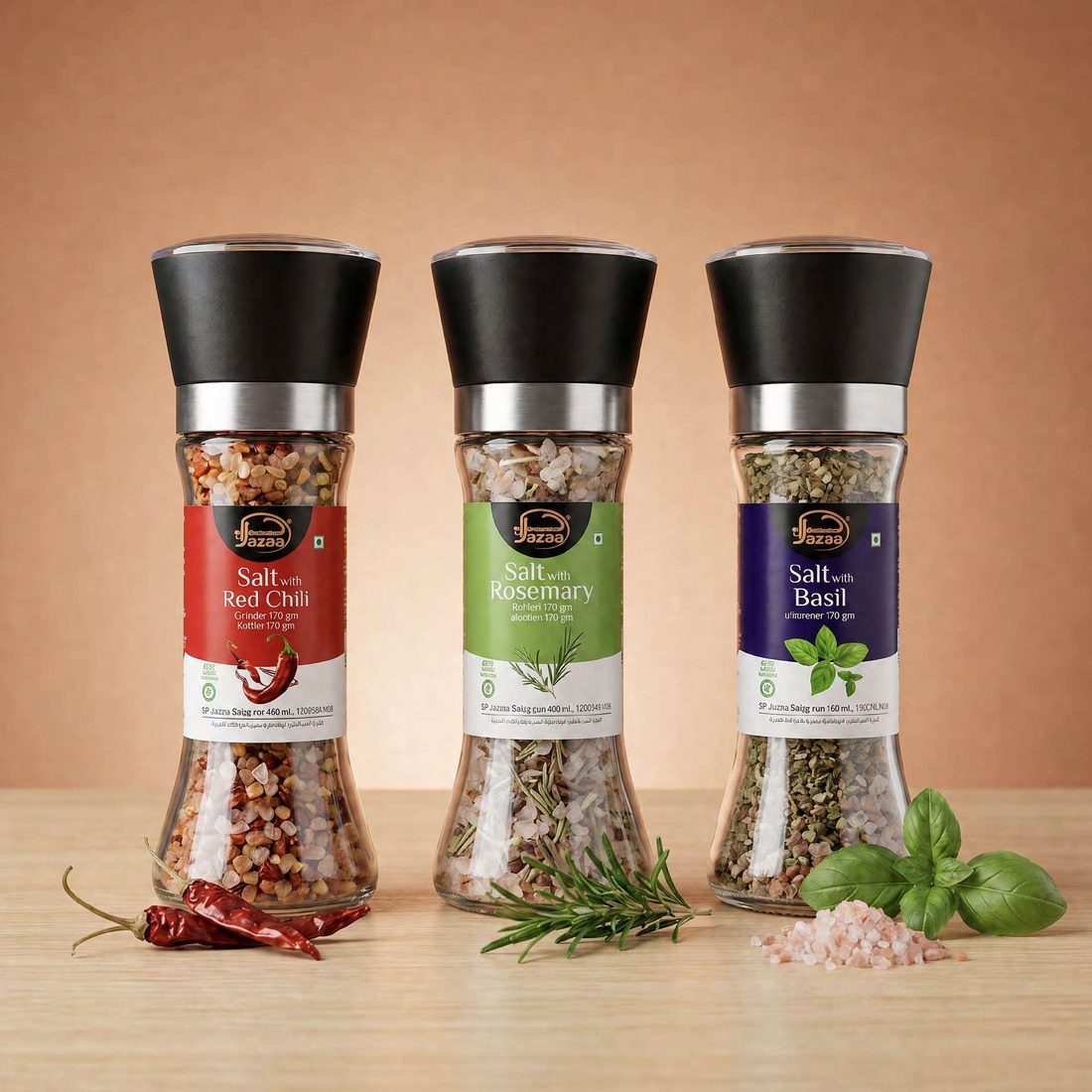
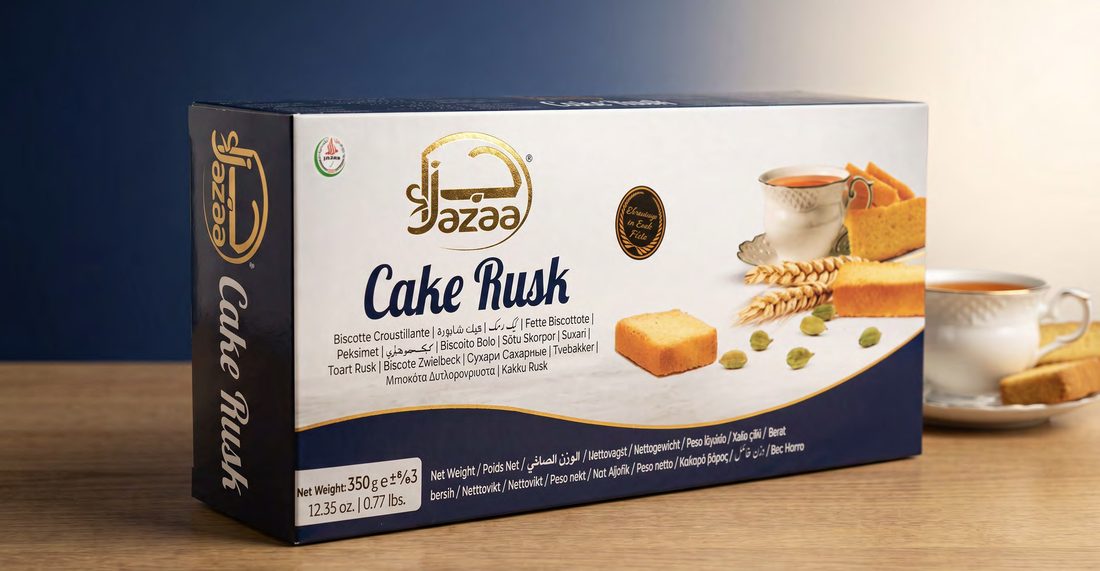
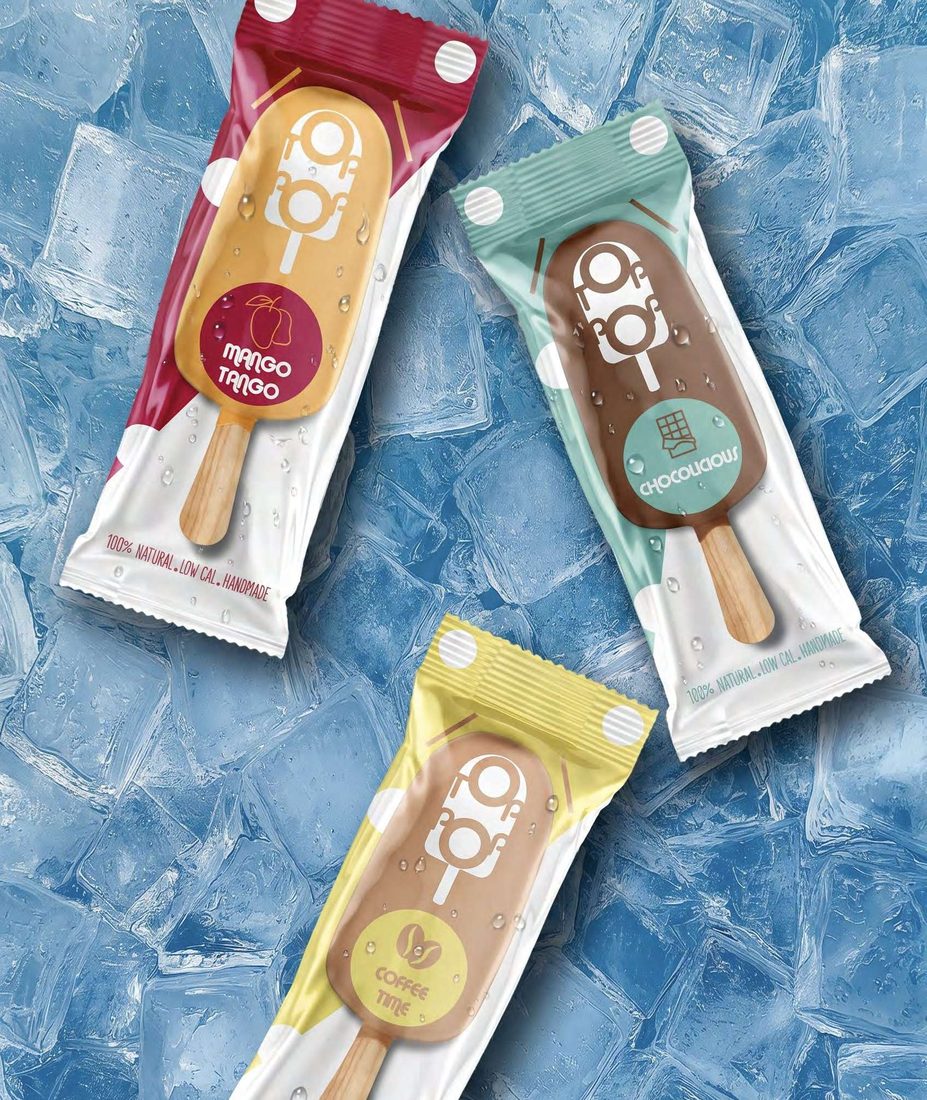
The work — the only advertising a shopper is holding when they decide.
Packaging design is the discipline of making a product legible, appealing and buyable at arm's length on a shelf. It is part graphic design, part structural engineering and part print production — and unlike almost every other channel, it reaches the customer at the exact moment of the decision.
Fifty-eight packs sit above, weighted toward the categories we work in most: food and grocery (20), QSR and takeaway (11), snacks and confectionery (9), frozen and dairy (7), retail and shopper (6) and beverages (5).
What a packaging project covers
- Structure and dielines — the physical form, drawn to a printer's specification
- Artwork and hierarchy — what a shopper reads first, second and third
- Range architecture — how variants stay a family while staying tellable apart
- Regulatory and barcode — ingredients, weights, origin and scannable codes placed correctly
- Print-ready files — separations, spot colours and bleeds a supplier can run without queries
Designing for a range, not a pack
Most packaging fails at the second SKU. A design that looks strong alone often collapses when six flavours sit beside it and the customer cannot find the one they came for. We design the system first — the fixed frame and the variable field — then fill it.
The Jazaa Global programme is that discipline at scale: over 200 SKUs launched across five and a half years at a 96% success rate, from rice and plain spices into cocoa, ginger, paprika, garam masala, oils and potato snacks — each new line arriving market-ready rather than being retrofitted.
Frozen, QSR and the awkward substrates
Freezer packs sweat, takeaway packs get grease on them, and both are usually printed on stock that shifts colour. We specify for the substrate and the supply chain the pack will actually live in, not for how the artwork looks on a screen.
How a packaging project runs
Most of the risk in packaging sits before any artwork is drawn, in the specification. These are the stages we work through, and the order matters — reversing any two of them is what causes a reprint.
- Specification — confirm the pack format, substrate, print process and the printer's own template before design starts
- Structure and dieline — draw or obtain the cutter guide, and check it folds and stacks as intended
- Hierarchy — decide what the shopper reads first, second and third at arm's length, before styling anything
- Design and range test — build the system on the hardest variant, then prove it across the full set rather than the hero SKU alone
- Compliance pass — ingredients, weights, origin, allergens, barcode placement and quiet zone
- Pre-press and proof — separations, spot colours, bleeds and overprint, signed off on a proof from the actual press
- Press check — attend or review the first run, because screen colour and press colour are never the same thing
Substrate and print process
The pack's material decides what the artwork can do, not the other way round. A gradient that is effortless on carton is a liability on kraft, and fine reversed type that holds on offset closes up on flexo. This is the shorthand we design to.
| Substrate | Usual process | What it means for artwork |
|---|---|---|
| Folding carton | Offset litho | Holds fine type, photography and tight registration; the most forgiving option |
| Corrugated | Flexo | Coarser dot, avoid small reversed type and heavy solids over flutes |
| Kraft / uncoated | Offset or flexo | Ink sinks and dulls; build colour warmer and drop photographic detail |
| Flexible film | Rotogravure | Excellent colour, high origination cost — worth it only at volume |
| Labels | Digital or flexo | Short runs and many variants become affordable; ideal for range trials |
| Frozen packs | Offset, coated | Condensation and handling — specify a varnish or lamination or the pack scuffs |
What determines the scope of a job
Packaging is quoted by complexity rather than by pack. The variables that move it most are the number of SKUs in the range, how many of them share a structure, whether a dieline already exists, how many languages and regulatory markets the pack must serve, and whether photography or illustration has to be produced alongside the artwork. A six-variant range on one existing dieline is a fraction of the work of three formats across two markets, even though both are “a packaging project”.
Working across Dubai and Karachi
We run packaging out of both markets, and they behave differently. UAE production favours shorter runs, higher finish and stricter retailer compliance; Pakistan production runs longer and cheaper with more variation between presses. Artwork built for one is not automatically safe on the other — the colour build, the trapping tolerance and the substrate assumptions all shift. Where a brand sells in both, we specify for the less forgiving press first and let the better one over-deliver.
Packaging questions — structure, print and range.
What does a packaging design project include?
Structure and dielines drawn to a printer's specification, artwork and information hierarchy, range architecture so variants stay a family, regulatory elements including ingredients, weights and barcodes, and print-ready files with correct separations, spot colours and bleeds that a supplier can run without coming back with queries.
Can you design packaging for a whole product range?
Yes, and it is the harder and more useful problem. We design the system first — the fixed frame and the variable field — so the sixth flavour still reads as the same brand as the first. The Jazaa Global programme ran over 200 SKUs on that principle at a 96% launch success rate.
Do you supply print-ready artwork to our printer?
Yes. We work to your printer's specification and supply files in their preferred format, with separations, spot colours and bleeds set for the substrate and press the job will actually run on. If you do not have a printer we can recommend one in the UAE or Pakistan.
How is packaging design different from other graphic design?
Packaging is read at arm's length, in a second, beside competitors, on a substrate that shifts colour — and it reaches the customer at the exact moment of decision. It is also unforgiving: once a run is printed, a mistake is a reprint rather than an edit.
Have a project in mind?
Tell us what you're building. We reply to every enquiry within one working day.
Start a project