
Web & App Design.
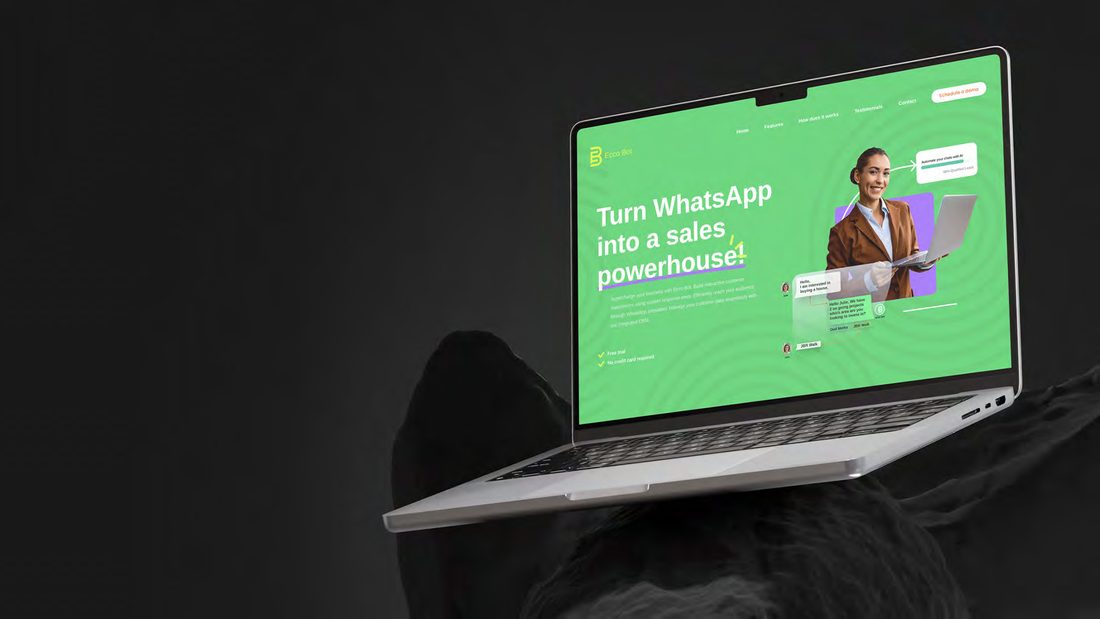
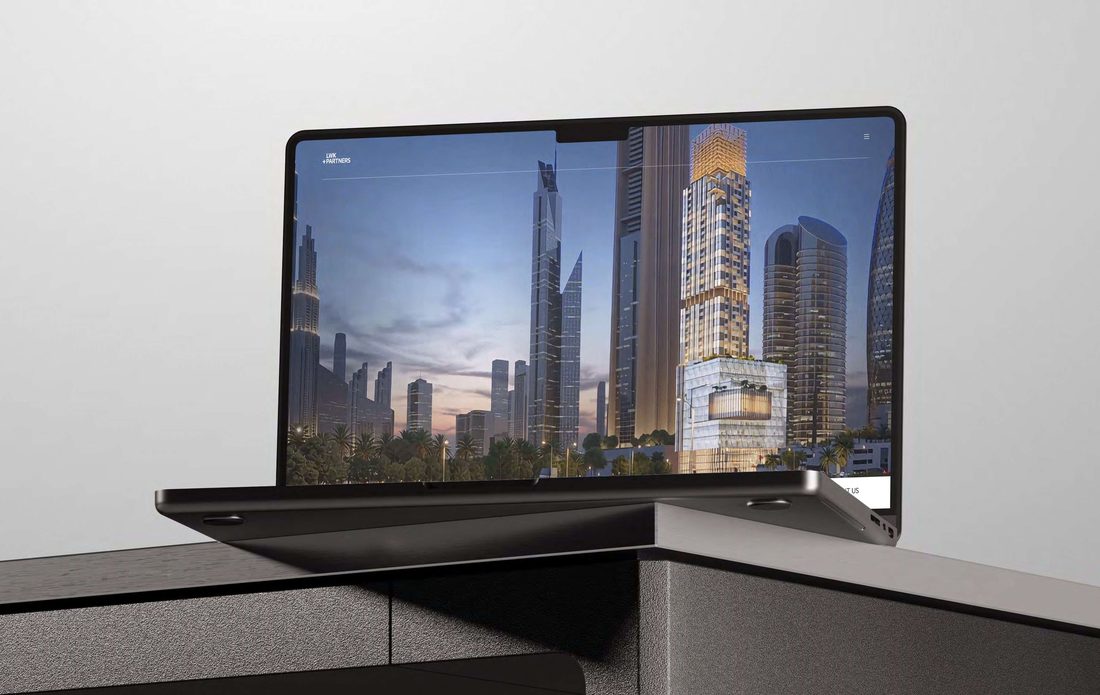
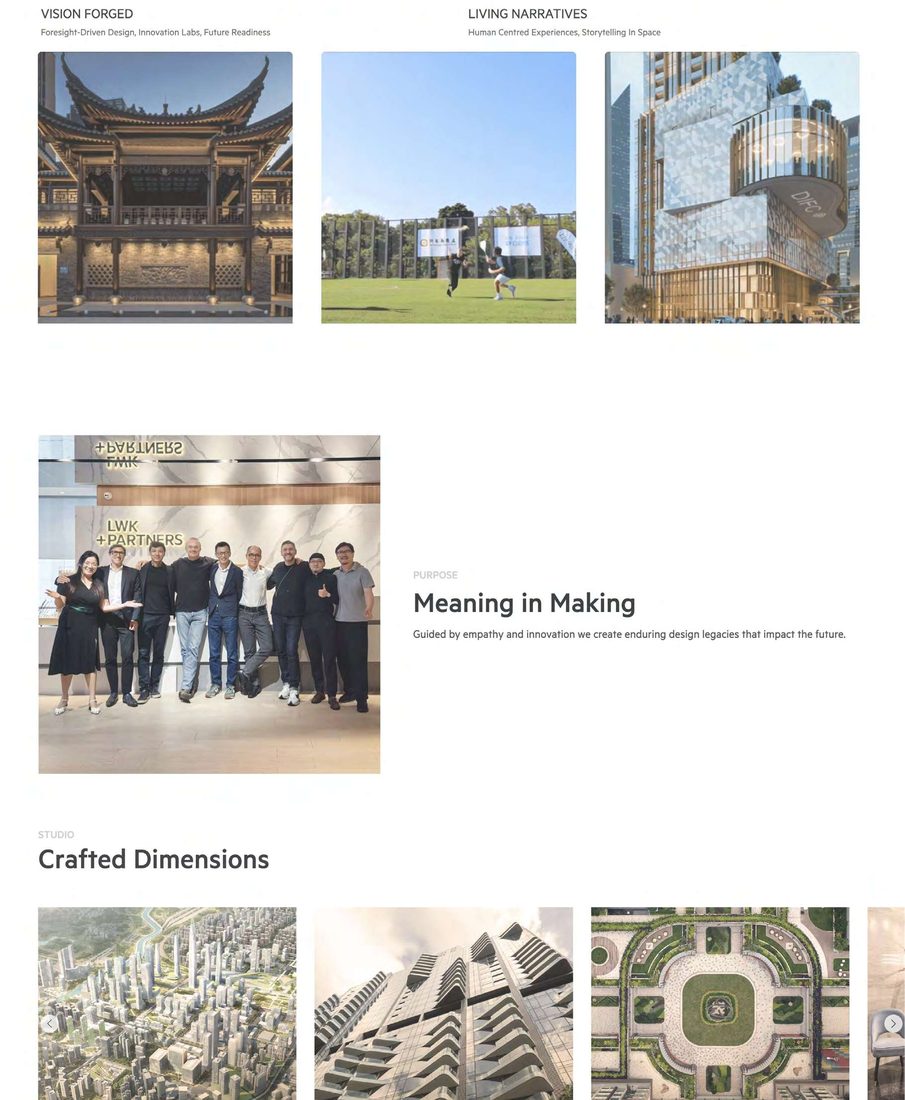
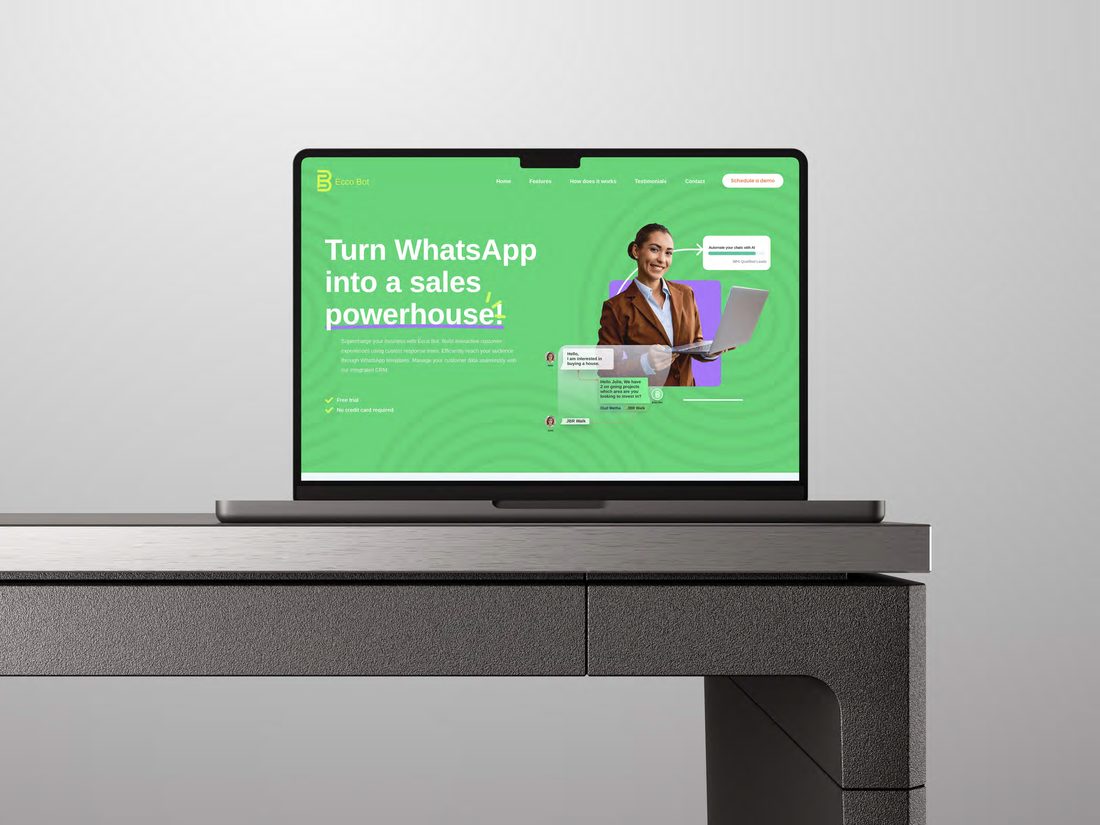
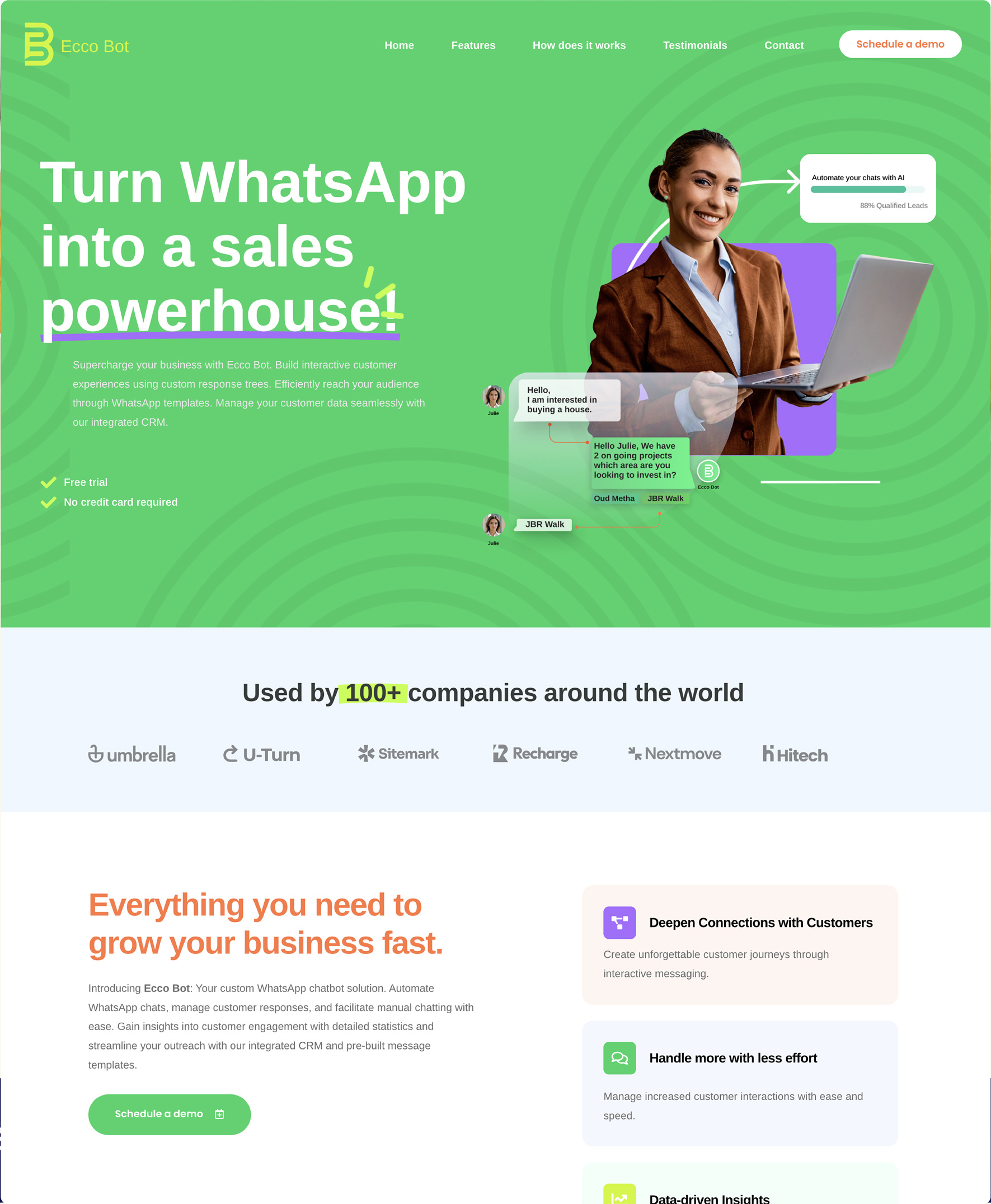
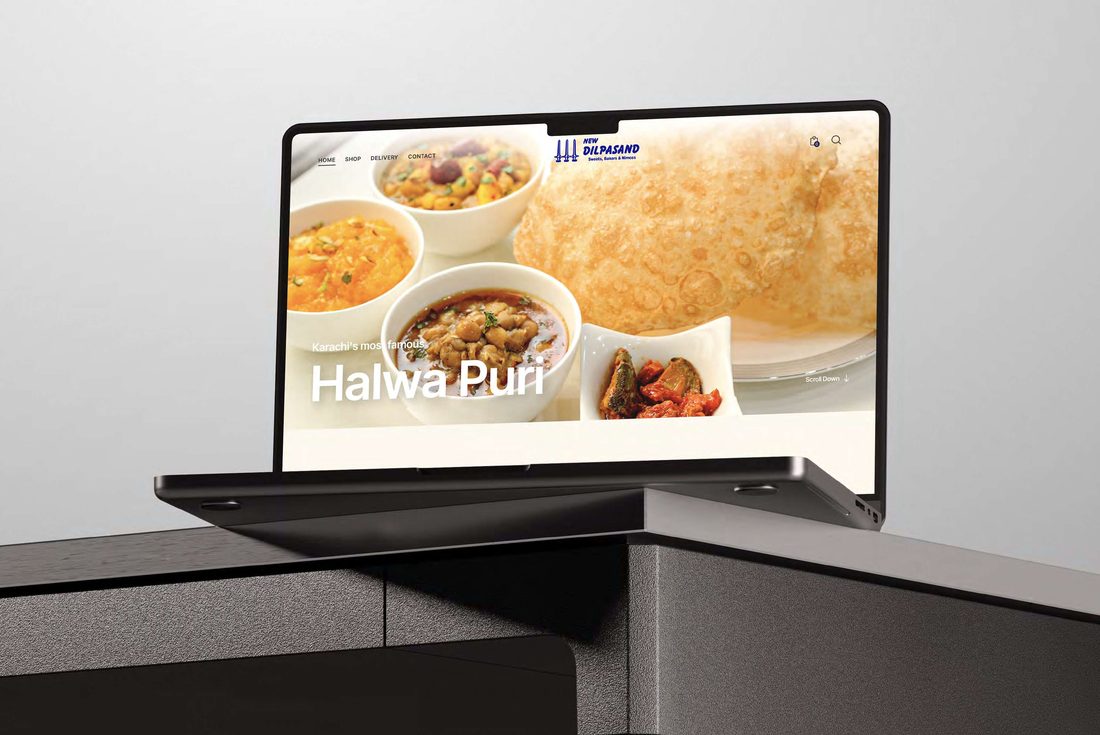
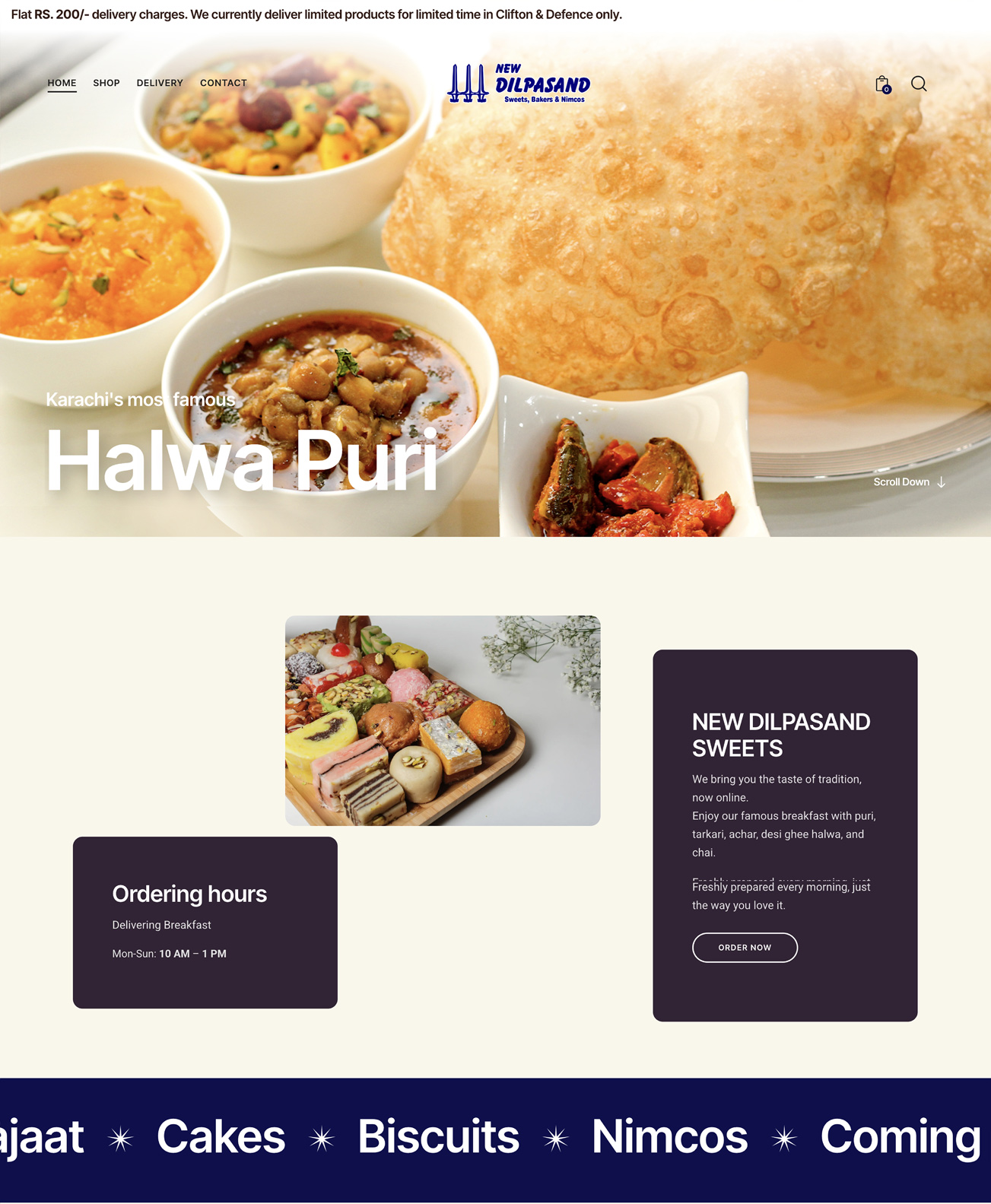
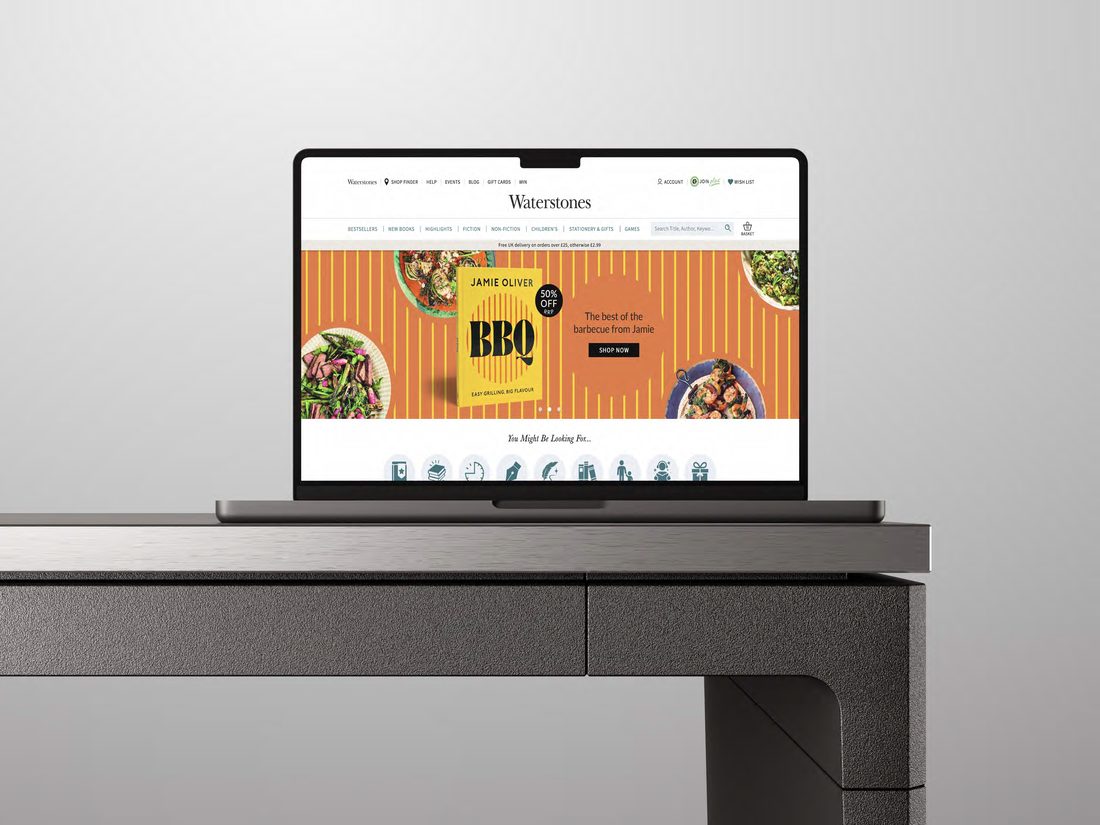
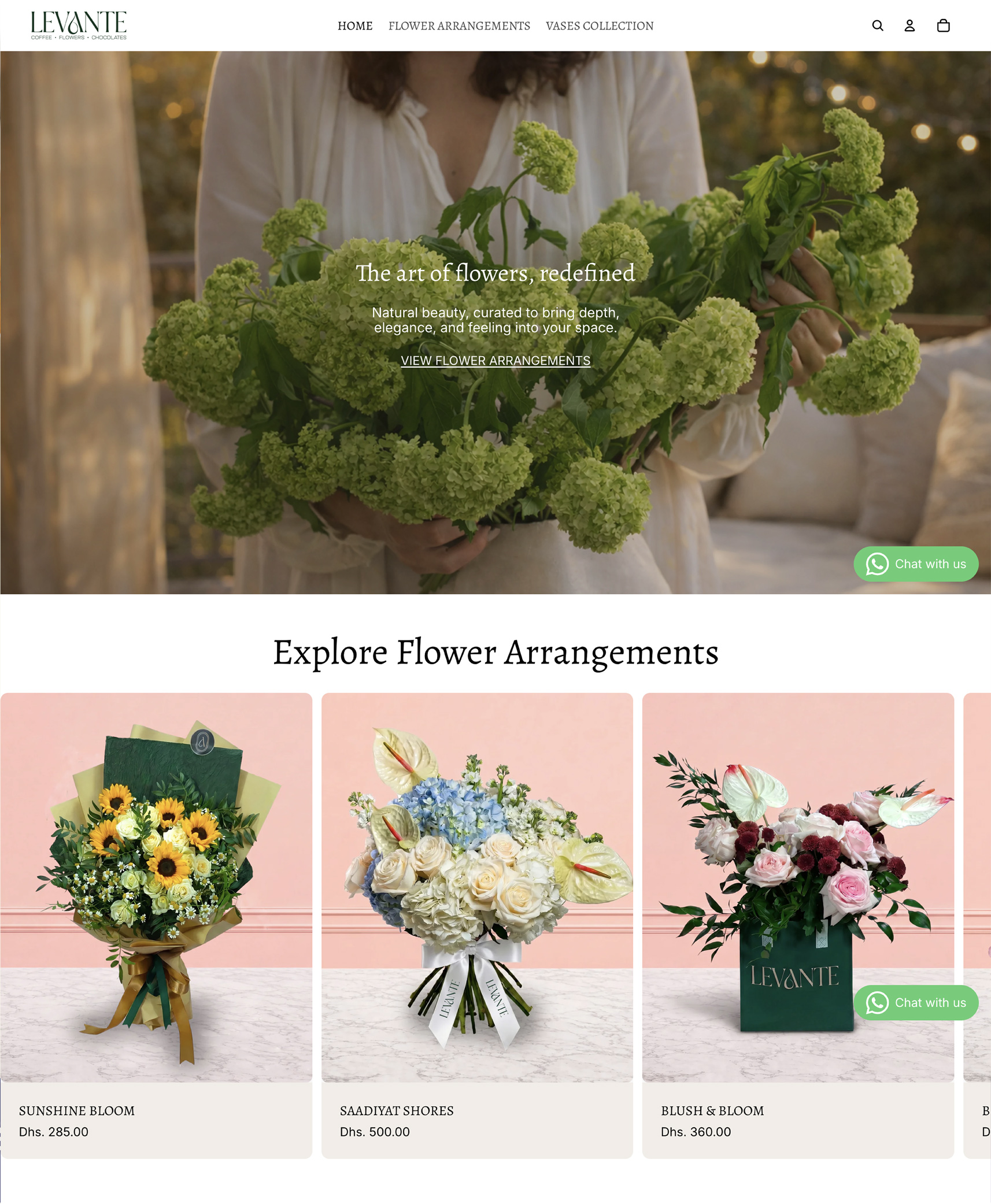
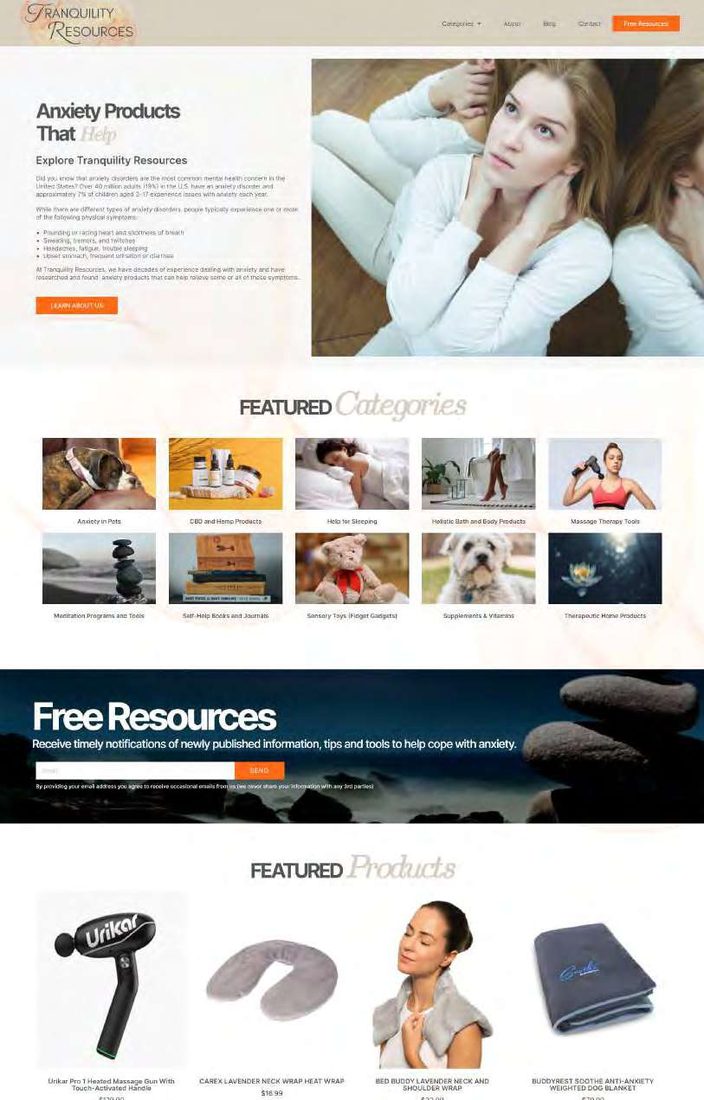
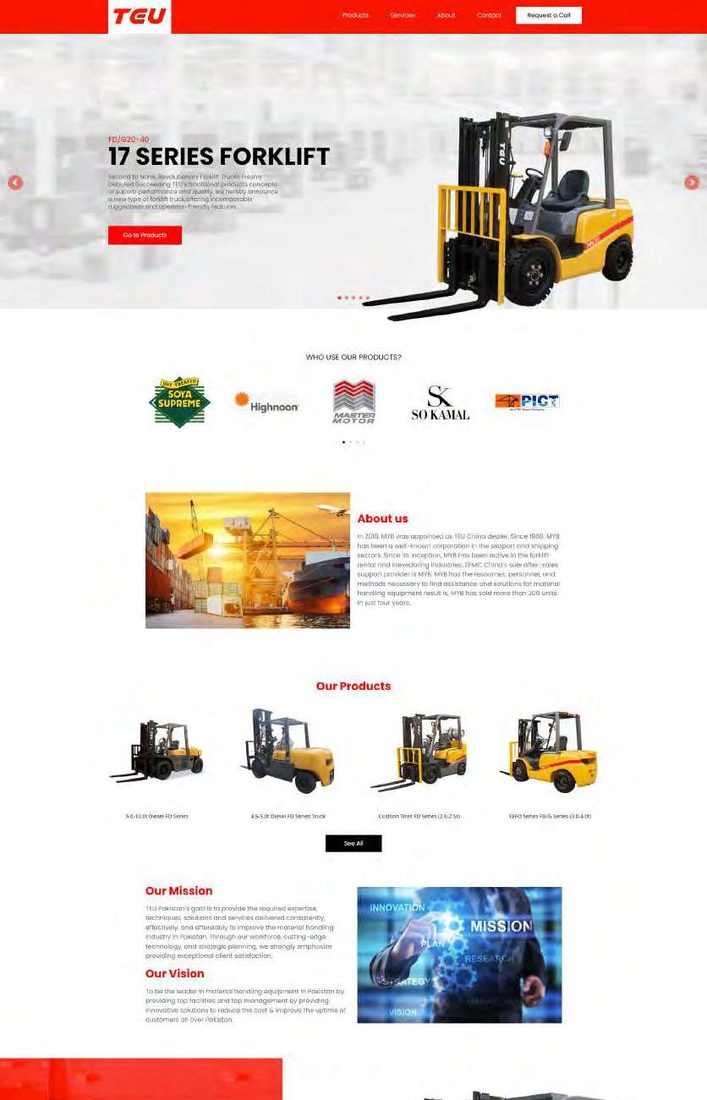
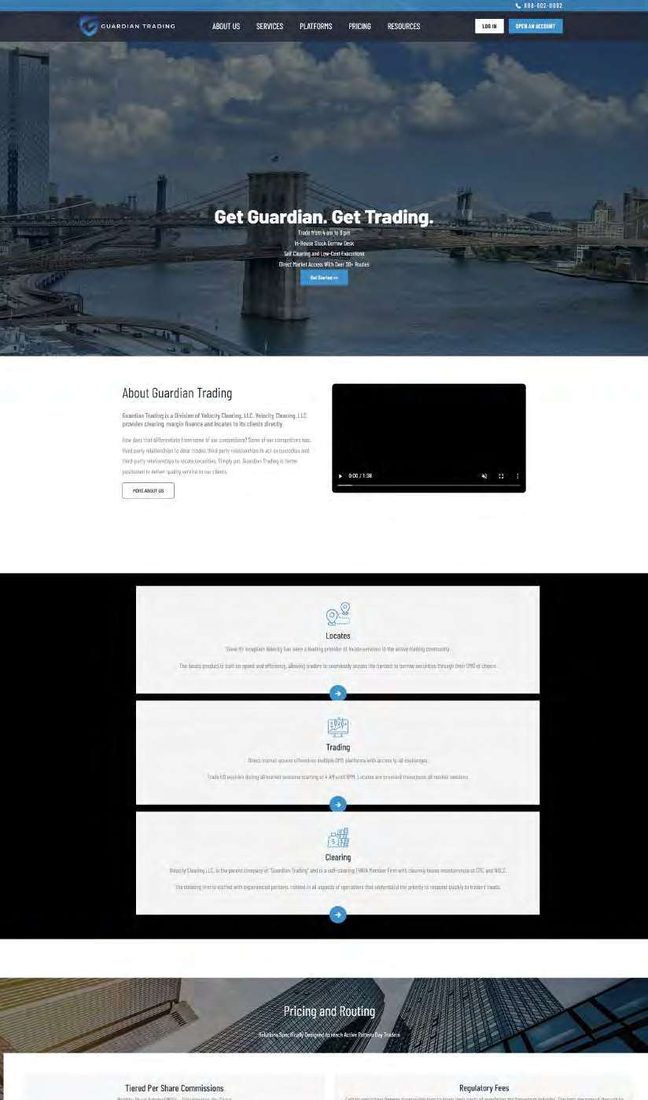
The work — sites engineered to be edited, not just launched.
Web and app design covers the interface a customer meets and the system your team edits behind it. Most agency websites solve the first and neglect the second, which is why so many launch beautifully and look neglected within a year.
Seventeen projects sit above across five categories: corporate and industrial (5), hospitality and lifestyle (4), product and SaaS (3), e-commerce (3) and agency and studio (2).
What a build includes
- Information architecture — what exists, what it is called, and how someone reaches it
- UX and UI design — layouts, states and components, designed responsive from the start
- Content and narrative strategy — the argument the site makes, before the pages are drawn
- Front-end engineering — built in-house, so the design intent survives to the live site
- CMS development — an editing experience your team will actually use
Headless, where it earns its complexity
A headless CMS separates where content is written from where it is displayed: editors work in a familiar admin, while the public site is built with a separate front-end framework. It costs more to set up and pays back on sites that publish frequently or serve heavy media.
For LWK + PARTNERS we ran WordPress on the back end — because their editorial team already knew it — with React deployed via Vercel on the front, for fast transitions and high-resolution media at scale. The brief called for a page curated monthly; the stack was chosen to make that monthly job easy rather than to be modern.
Performance is a design decision
Most slow sites are not slow because of the framework. They are slow because of uncompressed images, blocking scripts and fonts loaded before anything paints. We treat weight as a design constraint from the first layout, not an optimisation pass at the end.
Web and app questions — how we build.
What does Steer Media build websites with?
We design and engineer in-house, and choose the stack per brief. For LWK + PARTNERS we built a headless setup — WordPress on the back end for a familiar editorial workflow, React deployed via Vercel on the front for fast transitions and high-resolution media at scale.
What is a headless CMS?
A headless CMS separates where content is written from where it is displayed. Editors work in a familiar admin like WordPress, while the public site is built with a separate front-end framework. You get an easy editing experience without being limited by the CMS's own templates.
Do you handle both design and development?
Yes. Information architecture, UX and UI design, content strategy, front-end engineering and CMS development all happen in-house. That is deliberate: it keeps the design intent intact through to the live site rather than losing it in a handover between a design studio and a separate build team.
Have a project in mind?
Tell us what you're building. We reply to every enquiry within one working day.
Start a project