AI product photography, and where a studio still wins
Generated product images cost cents and arrive in minutes. That changes the economics of a catalogue. It does not change the parts of a shoot that marketplaces and reflective surfaces decide.
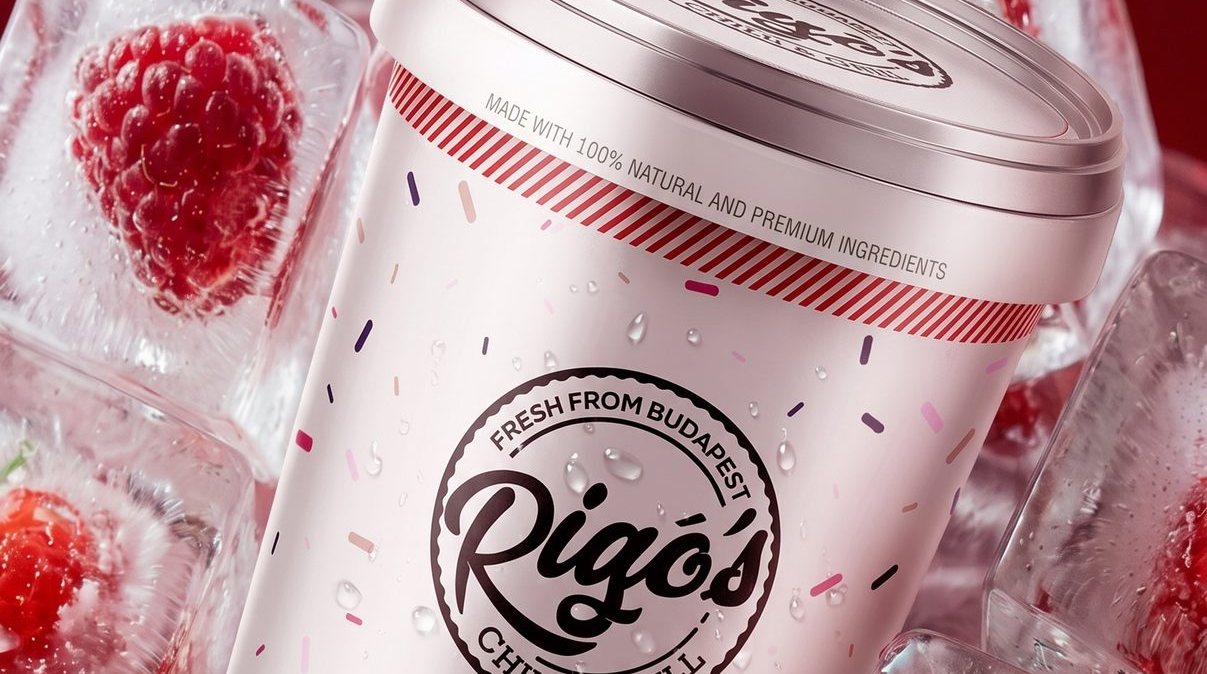
Published pricing now puts generated product images at cents each, against roughly $15 to $50 for a studio packshot and $89 to $300 for a styled lifestyle frame. Many larger e-commerce operators now budget for AI imaging tools. Any brand with a few hundred SKUs has already done this arithmetic.
We shoot product and food in our own studio and we use generative tools in the same pipeline, so this is not a defence of film. It is where the line falls once marketplace rules and physics are in the room.
Where generated images are good enough
Variants are where they earn their place. Once a product has been photographed properly, the expensive part is done, and most of what follows is repetition: a different background, a seasonal set, a colourway, a crop for a placement nobody planned for. Generated and AI-assisted edits handle that work well, and they handle it in minutes.
- 01Background and scene swapson a product already shot to spec
- 02Seasonal and campaign variantsof an approved hero frame
- 03Social crops and ratiosthat would otherwise go back to the retoucher
- 04Scale and context mock-upsfor concepts that are still being argued about internally
Where a camera still wins
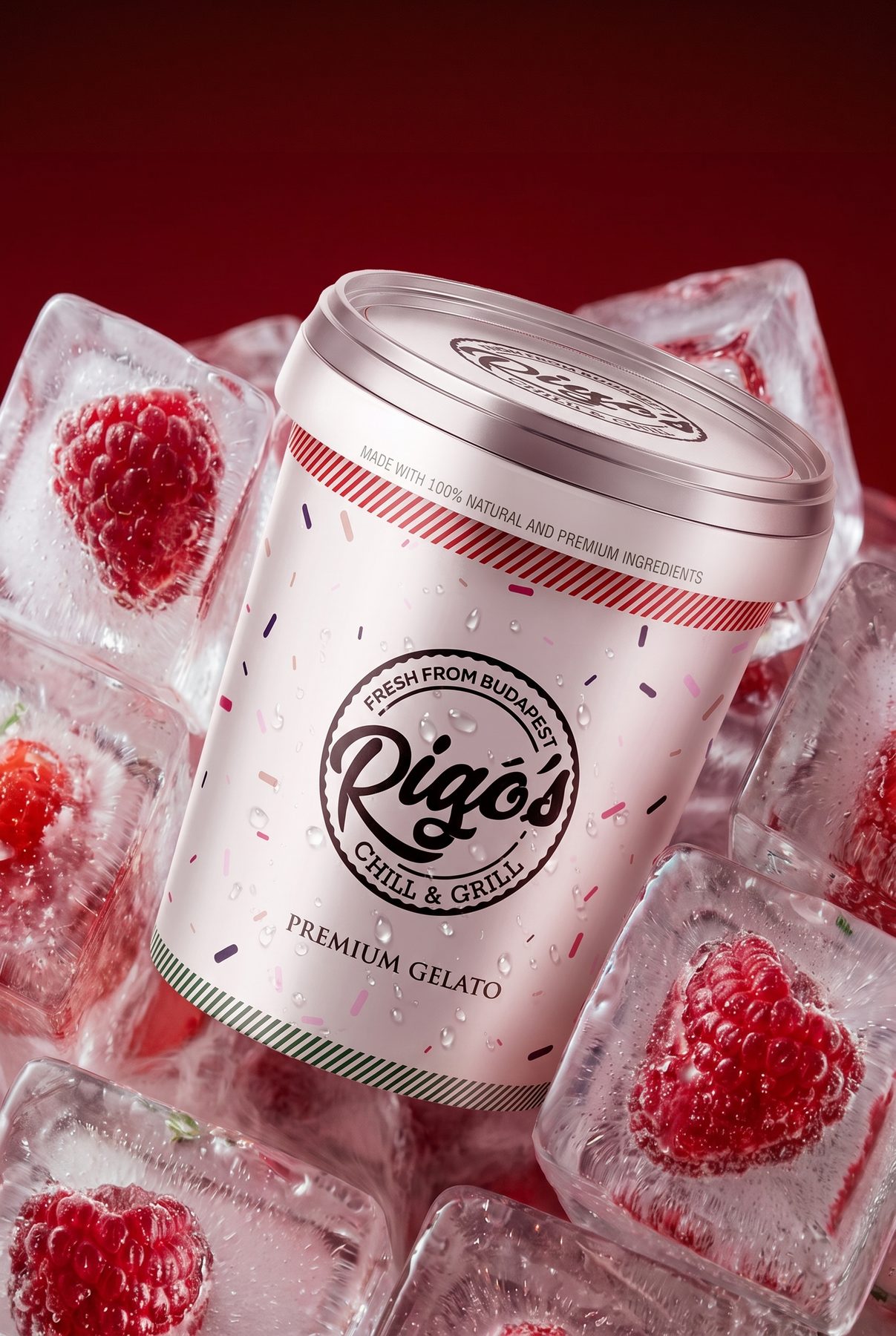
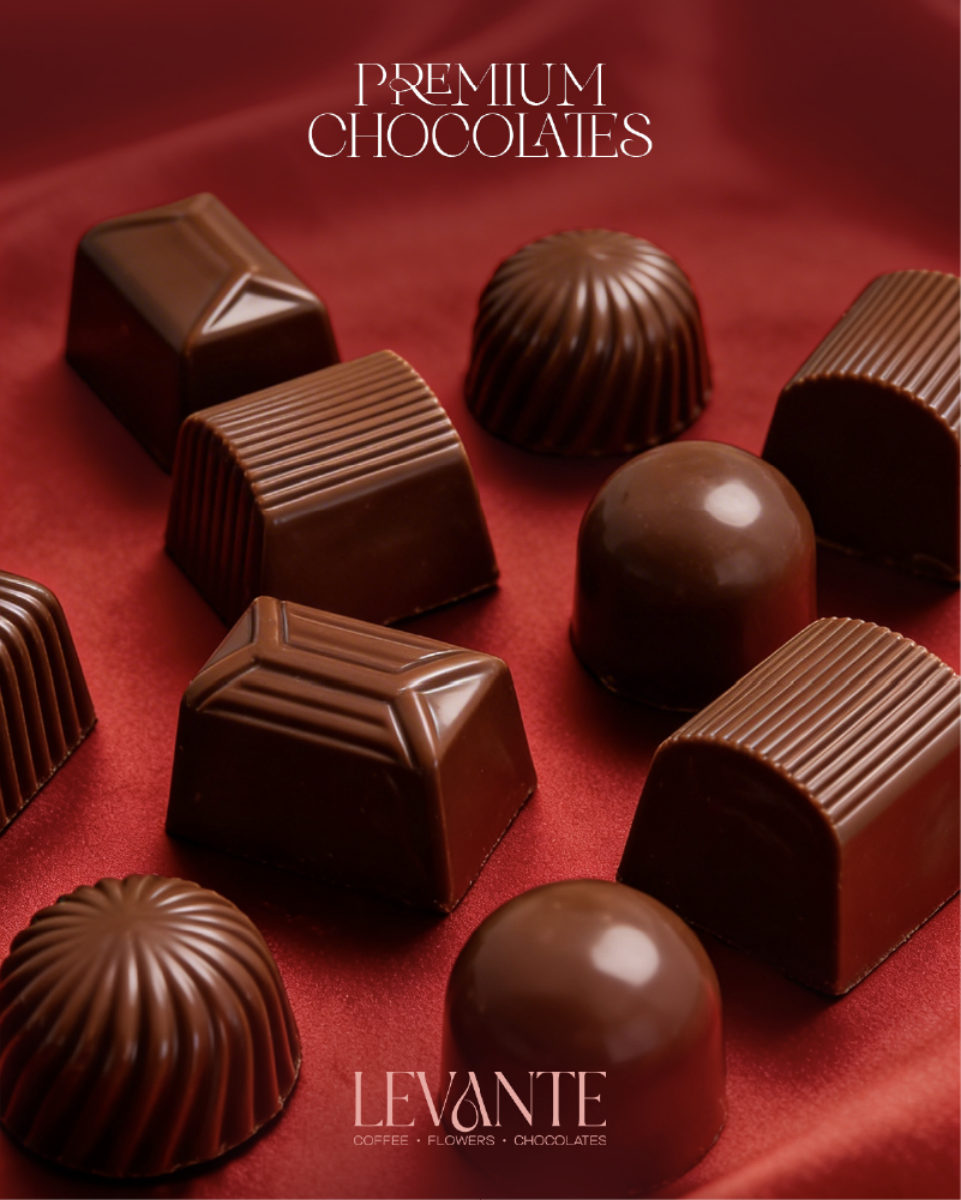
Reflective, transparent and heavily textured products. Glass, chrome, foil, water and anything with a specular highlight is where generators look convincing until a customer who has held the product sees it. The same is true of food, where steam, crumb and gloss are the whole sell, and of any pack where the print finish is part of the premium.
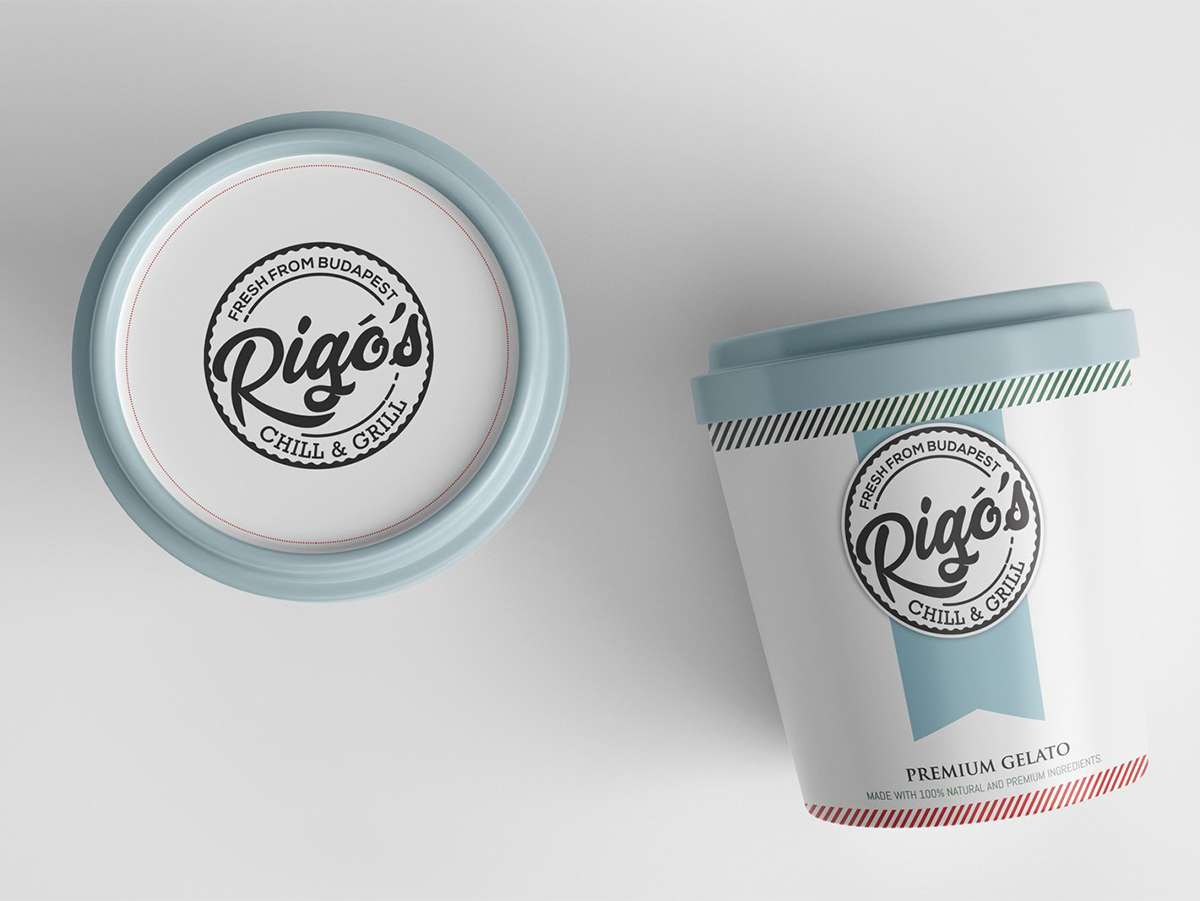
There is a second category, and it is the one that costs brands money: anything that has to be exactly right. The pack, the lockup, the Pantone, the ingredient panel. Models average their references, which is fine for a mood and wrong for a label.
Need photography?
Tell us what needs shooting and where it will be used. We reply within one working day with a scoped quote.
Marketplace rules decide your hero image
The main image on a marketplace listing is the one place where this is not a taste decision. Amazon requires a pure white background at RGB 255,255,255, the product filling at least 85% of the frame, a minimum of 1000 pixels on the longest side for zoom to work at all, and no text, logos, borders or badges. Off-white gets rejected automatically. Secondary images are where lifestyle, infographics and promotional text are allowed.
That pushes most ranges toward a simple split: shoot the hero properly, then build the rest. A clean, accurate, well-lit pack shot is the asset everything else is generated from, which is also why a sloppy original is expensive twice over.
The workflow that holds up
- 1Shoot the range once, properly.One session covering every SKU at marketplace spec, with the lighting consistent across the set
- 2Lock the hero frames.White-background masters that satisfy the strictest platform you sell on
- 3Generate the long tail from those masters.Scenes, seasons and crops built on real geometry, not on invented products
- 4Keep a human check on anything with a label.Pack, panel, logo and colour get verified against the physical product
- 5Name and store files for reuse.Named for where they run, not for the camera that took them
That is how our product and food photography runs alongside the generative work in AI ad films, and it is the same argument we made about hybrid film production: automate the iteration, keep the judgment.
What to ask before you buy either
Ask a studio how many SKUs it can light in a day, and whether the output meets the marketplace specs you sell against. Ask an AI supplier what happens with glass, with your exact pack and with a label that has to be legible. If either answer is vague, the cheap option becomes the expensive one at the point a listing gets rejected.
Need photography?
Tell us what needs shooting and where it will be used. We reply within one working day with a scoped quote.

Product image questions: cost, marketplaces and AI.
Is AI product photography good enough for Amazon listings?
For secondary images, often yes. For the main image, the safer route is a real photograph: Amazon requires a pure white background at RGB 255,255,255, the product filling at least 85% of the frame and a minimum of 1000 pixels on the longest side, with no text, logos or borders. Listings are rejected automatically when the background is off-white, so the hero frame is the wrong place to experiment.
How much does product photography cost?
Studios that publish rates put plain white-background images at roughly $15 to $50 each and styled lifestyle images at $89 to $300, with per-image prices dropping when 50 or more SKUs are shot in one session. Generated images are priced in cents. We quote per brief, because the real variables are the number of setups, the crew and whether the product needs special handling.
Can AI handle food photography?
Not well enough to sell food with. Steam, gloss, crumb and the way light moves through a sauce are exactly what generators smooth away, and food is judged on appetite appeal rather than accuracy of shape. We shoot food in studio and use generative tools afterwards for backgrounds, variants and crops.
Do we still need a studio if we have 3D product renders?
Renders solve geometry, not credibility. They work well for hard goods with clean surfaces and for pre-launch products that do not physically exist yet. Where the material finish is the selling point, or the pack print has to be shown as it really looks, a photograph still does something a render does not.