AI ad films in 2026: what the numbers say
Generative video is now roughly 40% of video advertising, and the cost case is real. So is the trust penalty. A working split between what the model should make and what still needs a camera.

An AI ad film is a commercial where generative video tools produce some or all of the imagery instead of a camera. In 2026 that stopped being a novelty and became a budget line: roughly 40% of video ads this year are expected to involve generative AI, and 86% of ad buyers say they are using it or plan to. The question worth asking is no longer whether to use it. It is which half of the job you hand over.
We make both kinds of film, conventional shoots and generative ones, which puts us in an awkward but useful position. We can see where the savings are real and where they get paid back later.
How much does AI save on video production?
A great deal, on paper. Vendor-reported figures put generative video at a small fraction of the cost per minute of freelance or agency production, with one claiming per-minute cost falls by about 91% and a 60-second cut that took thirteen days dropping to under half an hour. Cost is now the most-cited benefit, named by 64% of respondents, up from fifth place two years ago.
That number is true but slightly misleading, because it measures generation, not production. It leaves out the direction, the selection, the retries, the grade, the sound design and the brand-compliance pass, which is where the hours go on anything a client signs off.
Does AI-generated advertising hurt brand trust?
It can, and the data is uncomfortably consistent. In a Clutch survey of US consumers, 55% said they view a brand less favourably once they can tell AI produced its creative, and a Smartly survey found 48% trust ads co-created by a person with AI support against 13% for ads made entirely by AI. In a May 2026 Bentley University and Gallup survey, 49% of Americans viewed the use of AI in advertising by businesses negatively.
The penalty lands on detected AI. Audiences don't mind that a model was used; they mind being able to tell. The failure is letting the seams show.
The risk was never that AI looks bad. It is that AI looks generic, and generic is the one thing a brand paying for distinction cannot buy back.
Thinking about an AI ad film?
Tell us the product, the audience and the deadline. We reply within one working day with a scoped quote.
Why hybrid pipelines outperform fully automated ones
The most useful finding in this year's research is not about cost at all: hybrid workflows, with AI for production speed and people for creative strategy, outperform fully automated approaches on brand measures. In short, automate the iteration and keep the judgment.
This is the split we work to, and it maps cleanly onto where each approach is strongest.
| Task | Best handled by | Why |
|---|---|---|
| Concepting | AI | A moving, sounding mood board before a day is booked |
| Pre-visualisation | AI | Camera moves and blocking tested in hours, no crew on standby |
| Paid-social variants | AI | Ten hooks generated and tested so media spend backs a winner |
| Impossible shots | AI | Imagined worlds and sequences that would break a live budget |
| Hero product frames | Camera | Exact pack, exact lockup, exact colour. Models drift here |
| Human performance | Camera | Faces and hands are still where detection happens |
| Final grade and sound | Human | The pass that decides whether the seams show |
How to commission an AI ad film without the trust penalty
If you are briefing this work in 2026, the following sequence keeps the savings and avoids the damage.
- 1Decide what must be photographic.The product, the pack, the faces. Protect those before anything else is discussed.
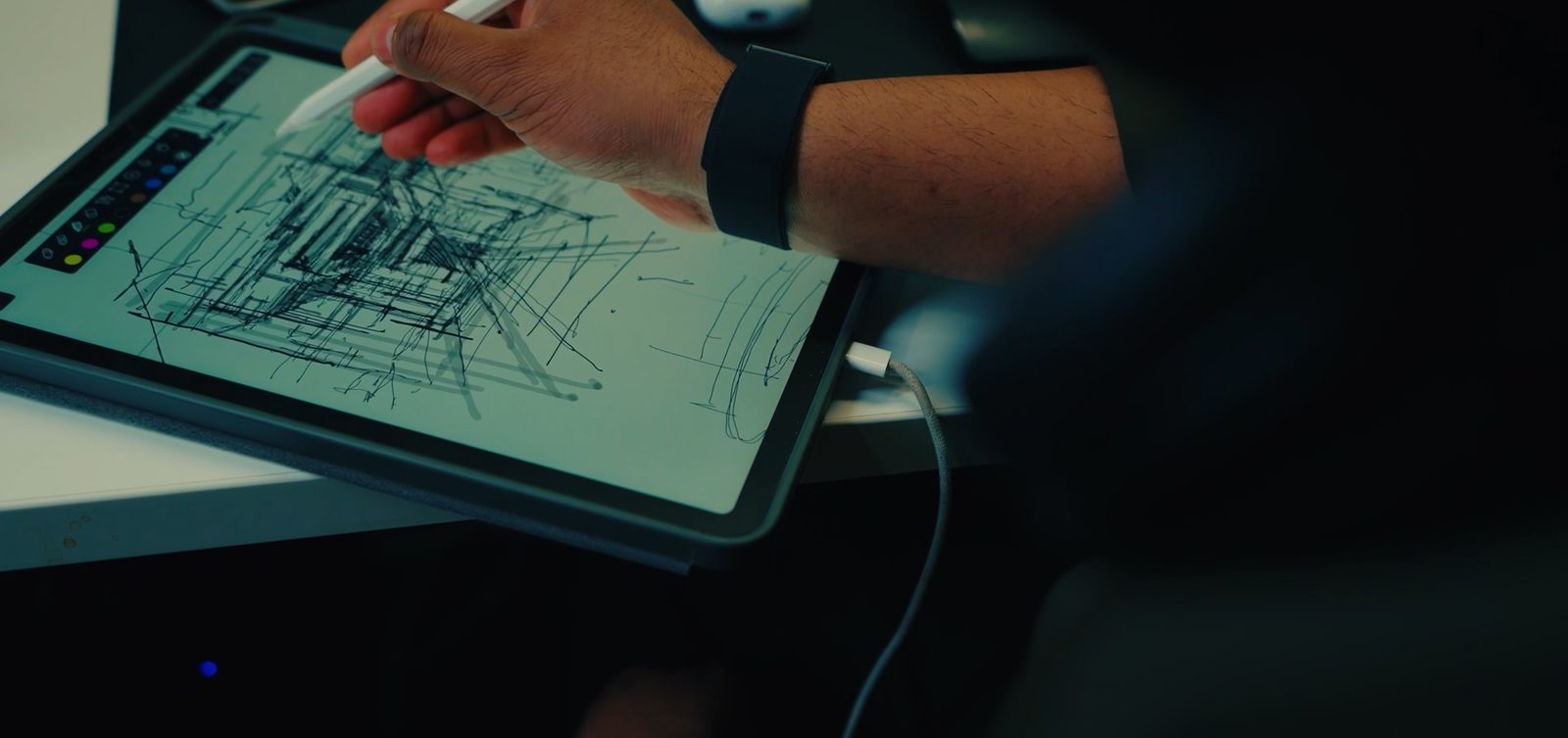
- 2Use AI upstream, not downstream.Concepting, previs and variants are where speed pays off and nothing unfinished ships.
- 3Don't marry a tool.The right model this quarter may be deprecated next. OpenAI wound down its consumer Sora apps barely a year after resetting everyone's expectations.
- 4Budget for the finish, not the generation.Grade, sound and compositing are what turn a generated clip into a brand asset.
- 5Test for detection.Show the cut to people outside the project and ask what feels off. If they can name it, so can your audience.
- 6Keep a human name on the direction.The 40% brand-equity gap comes from judgment, not rendering.
What this means for smaller brands
Adoption is running fastest below the top tier: smaller brands expect about 45% of their digital video to be built with generative AI this year, against 36% at the largest advertisers. That is rational. A challenger brand with twelve products and no film budget now has a route to motion it simply did not have in 2023.
It also means the floor has risen for everyone, and a competent generated film is no longer a differentiator. When the tools are available to all, the advantage moves back to the thing they cannot supply: knowing which idea is worth rendering. We built twenty-four AI films for brands including Dettol, Finish, Al Ain and Bisconni on that basis: the model produced the frames, and the director decided which frames were worth producing.
The tools got remarkable this year. The standard did not move.
Thinking about an AI ad film?
Tell us the product, the audience and the deadline. We reply within one working day with a scoped quote.

AI film questions: cost, trust and craft.
Is AI cheaper than traditional video production?
Per minute of generated footage, by a lot. Vendor-reported figures put generative video at a small fraction of the cost of freelance production. But that figure covers generation only. Direction, selection, retries, grade, sound design and brand-compliance passes are unchanged, and on a finished commercial they represent most of the hours.
Will audiences notice an AI ad film?
Often, and it matters. Surveys point the same way: in one, 55% of consumers said they view a brand less favourably once they can tell AI made its ad. The penalty applies when people spot the AI, not to the technique itself, which is why the budget should go on the finish.
What parts of an ad film should not be AI-generated?
Anything brand-critical or human. Exact packaging, logo lockups and brand colours are where current models drift most, and faces and hands are where viewers detect generation first. We shoot those and reserve generative tools for concepting, pre-visualisation, paid-social variants and imagined-world sequences.
Do you produce AI ad films in Dubai?
Yes. Steer Media produces AI ad films from Dubai and Pakistan, and runs them through the same cinematography, editorial, grade and sound pipeline as our conventional brand films. The portfolio holds twenty-four AI films across commercials, brand films and original worlds.