AI on a real shoot: how we blended it into the LWK + PARTNERS Dubai film
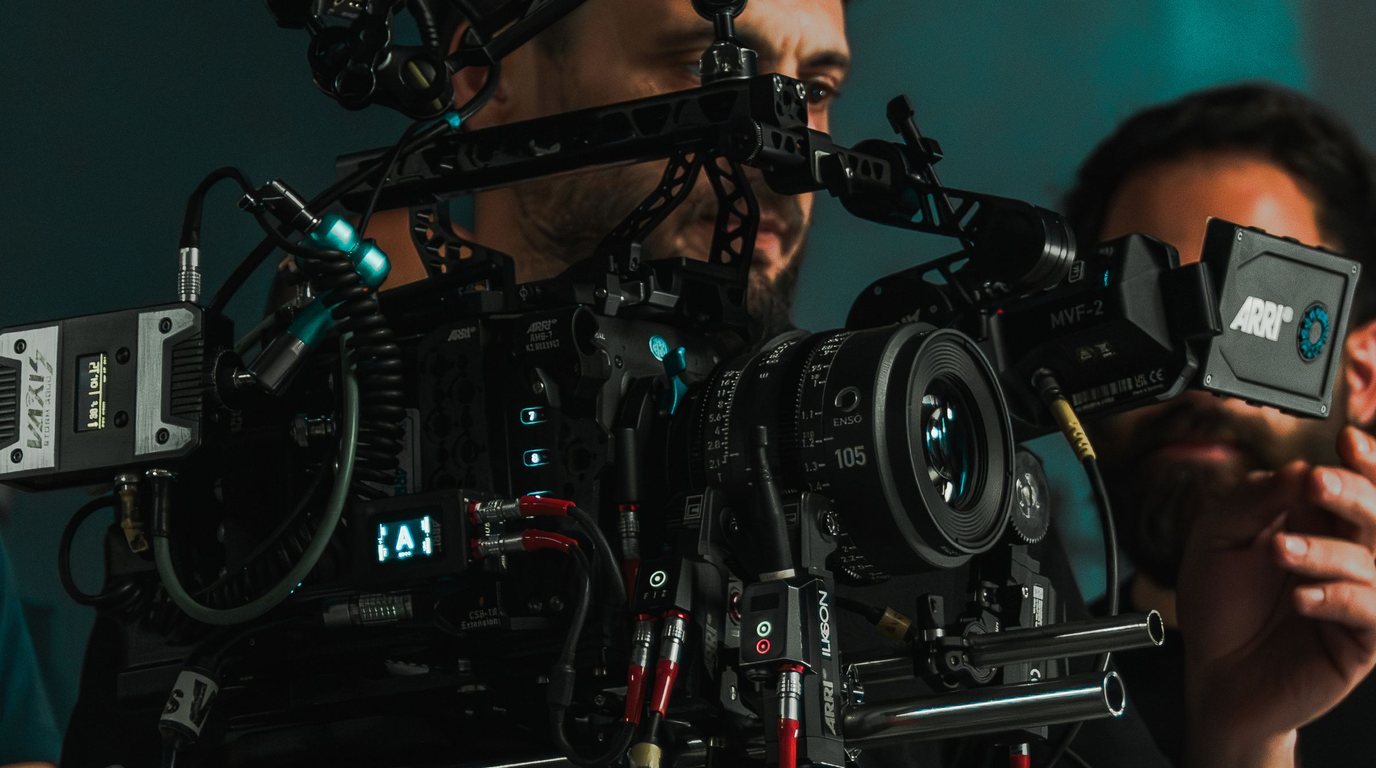
We shot the LWK + PARTNERS Dubai film with our own crew, on location. AI came in where a camera could not: storyboards, shots we could not film, extended footage and the joins between scenes.

A hybrid film is a real shoot with AI used in the places a camera cannot reach. That is how we made the LWK + PARTNERS UAE corporate film: 1 minute 48 seconds, shot by our own crew at the practice’s Dubai studio. AI was used before the shoot for concept and storyboards, afterwards for shots we could not film and for extending real footage, and across the cut for the transitions that join it together.
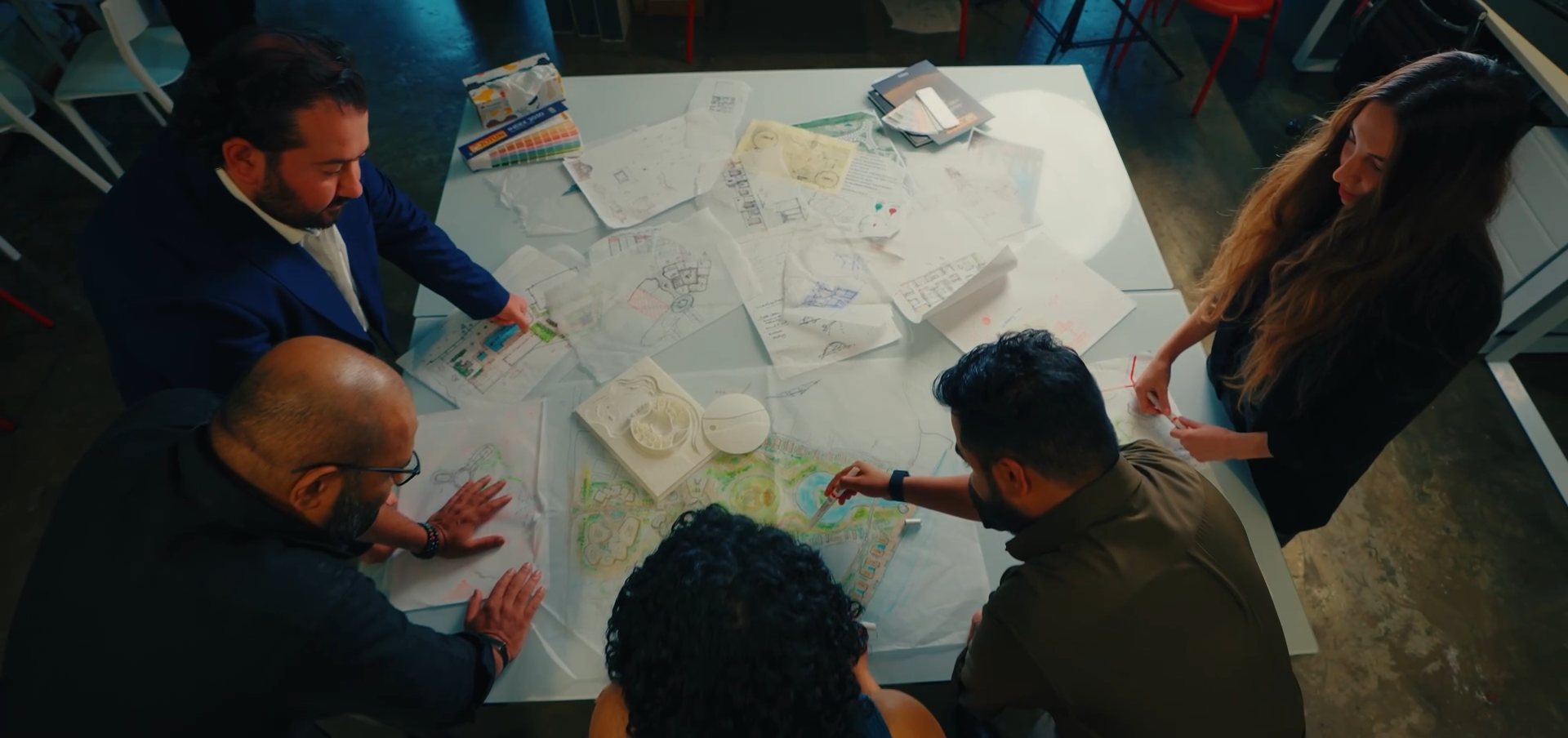
The LWK + PARTNERS Dubai studio film, 1 minute 48 seconds, with English subtitles.
The shoot came first
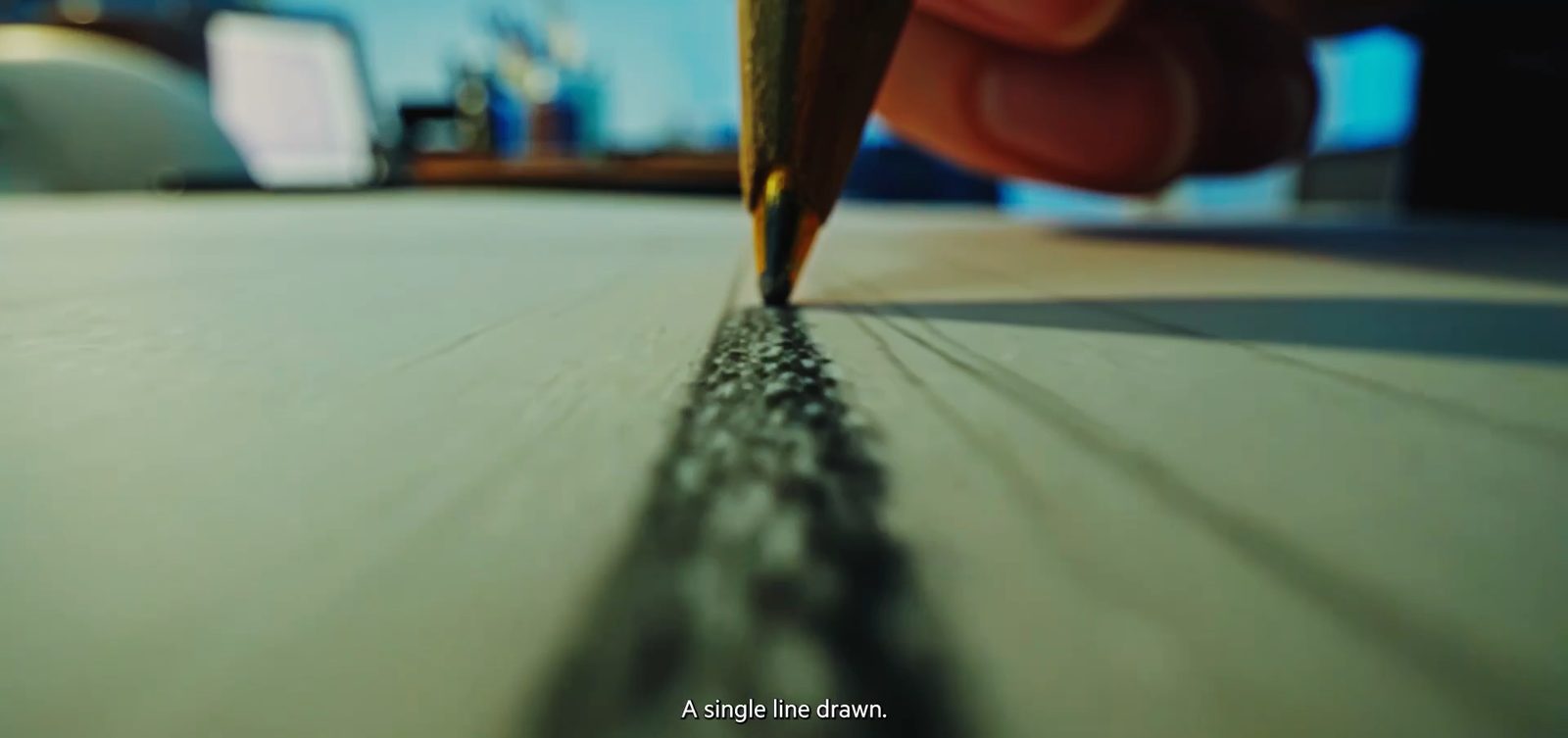
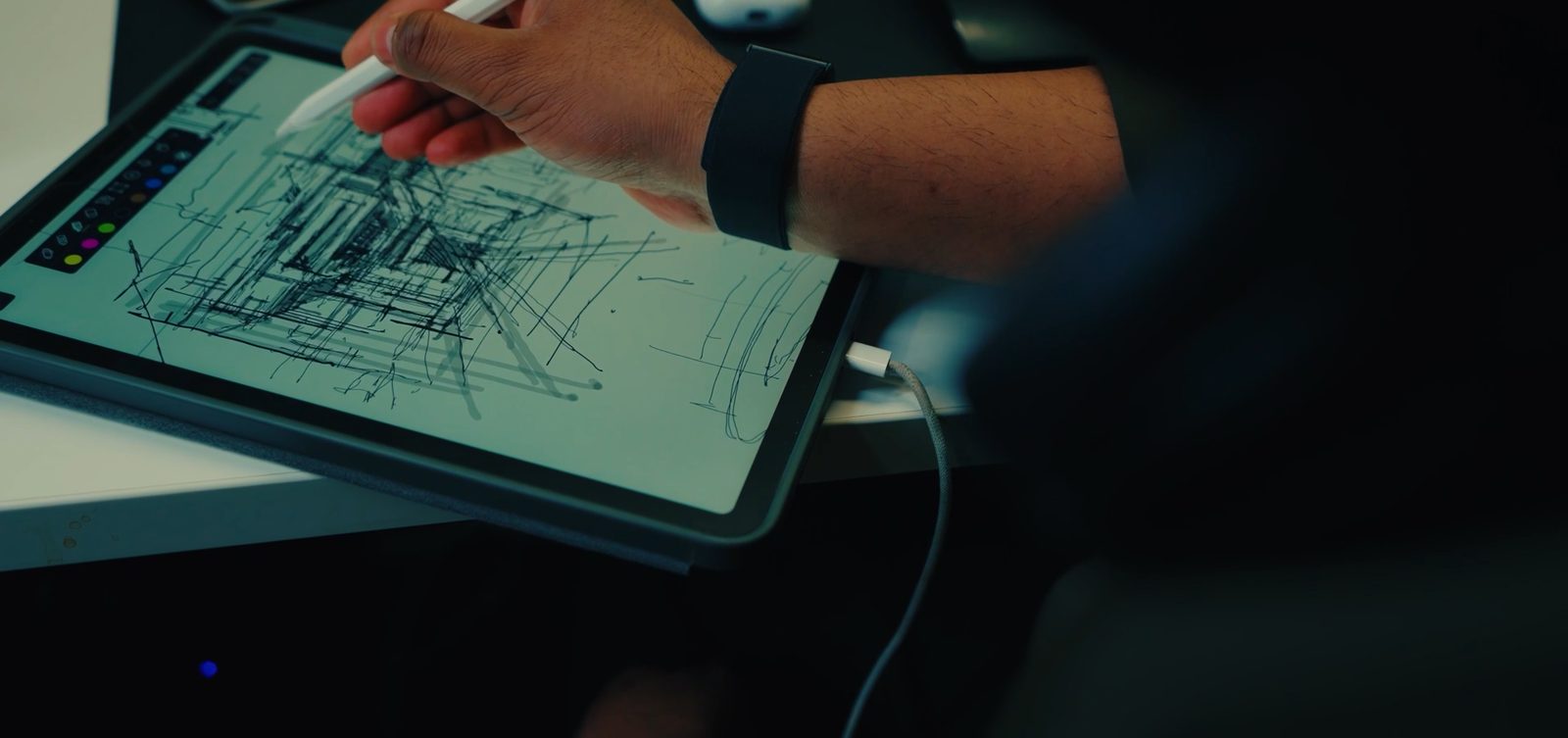
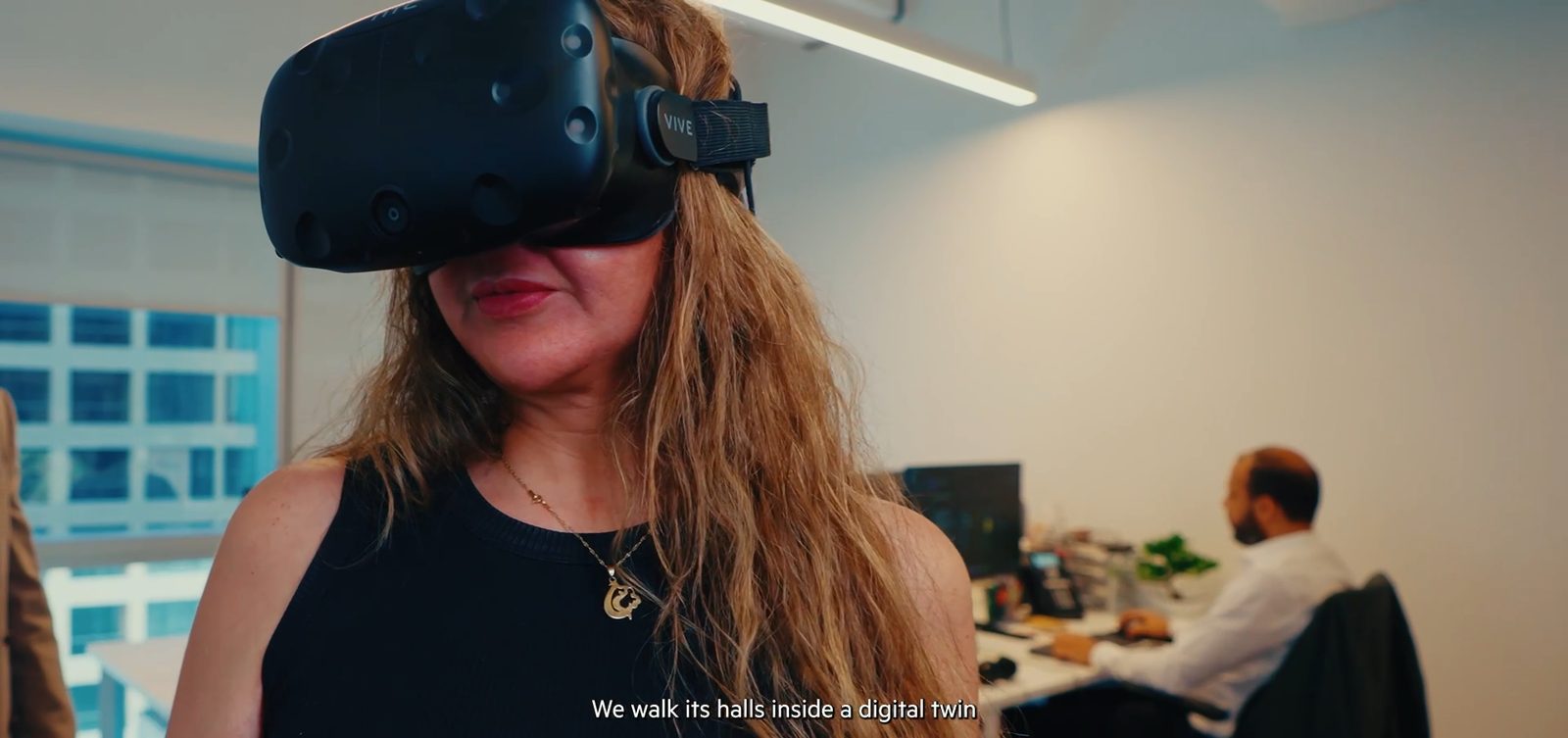
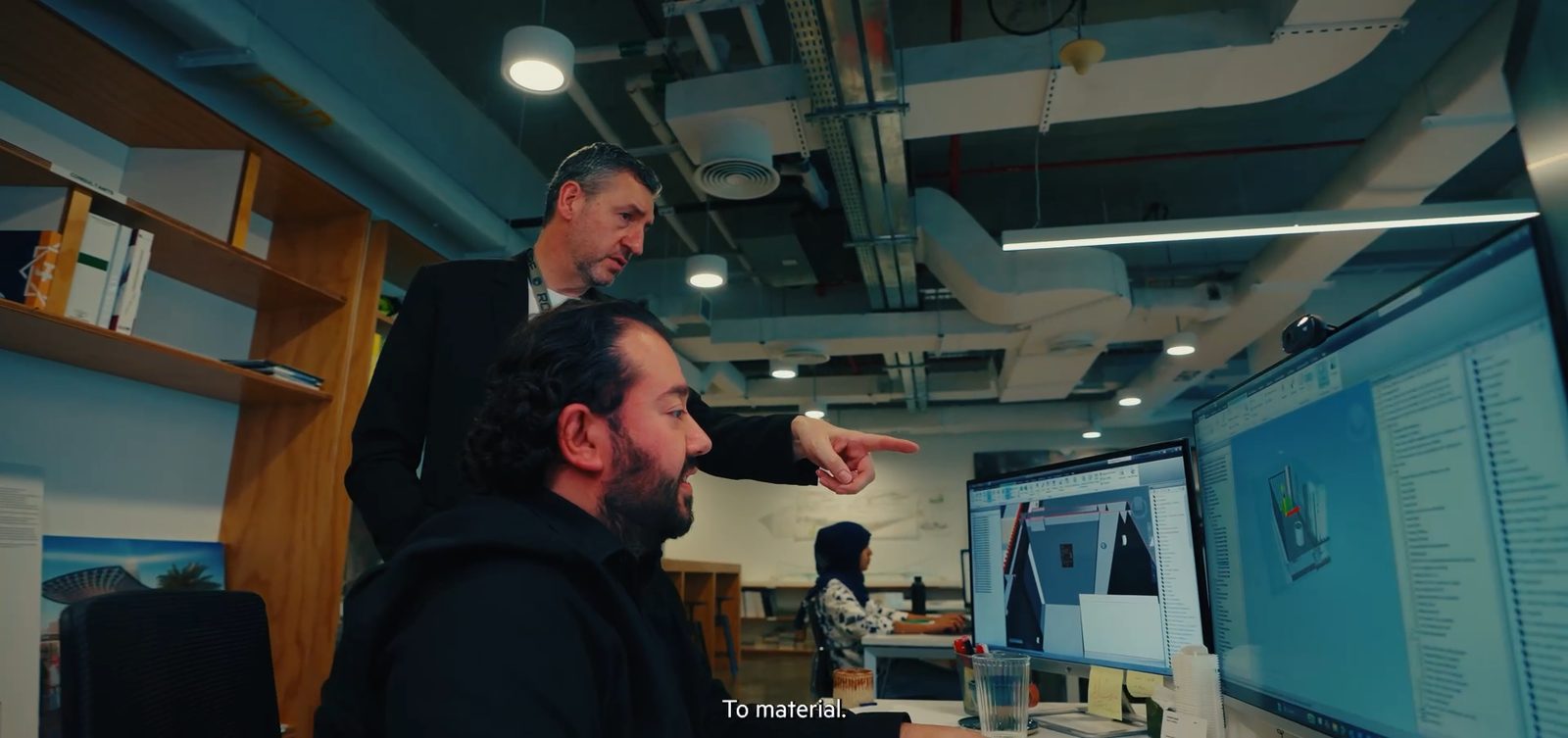
Every film we make starts from one question: what can a camera get? For LWK + PARTNERS the answer was a great deal. The Dubai studio is a working architecture office, and it is full of things that film well: a pencil drawing a single line on paper, a hand sketching on a tablet, physical models on a table, a building model open on a monitor, a colleague in a VR headset, and the people themselves at their desks.
We filmed those. The film’s own subtitle carries the idea: “We walk its halls inside a digital twin.” The camera is why you believe the person in the headset is in a real office.
Where AI came in
AI entered the project at four points. At none of them did it stand in for the camera where the camera could do the job.
- 1Concept and storyboardsA storyboard is a promise about the finished film. AI let us make that promise in moving, finished-looking frames rather than line drawings, so the conversation about the look happened before the shoot day instead of after it.Before the shoot
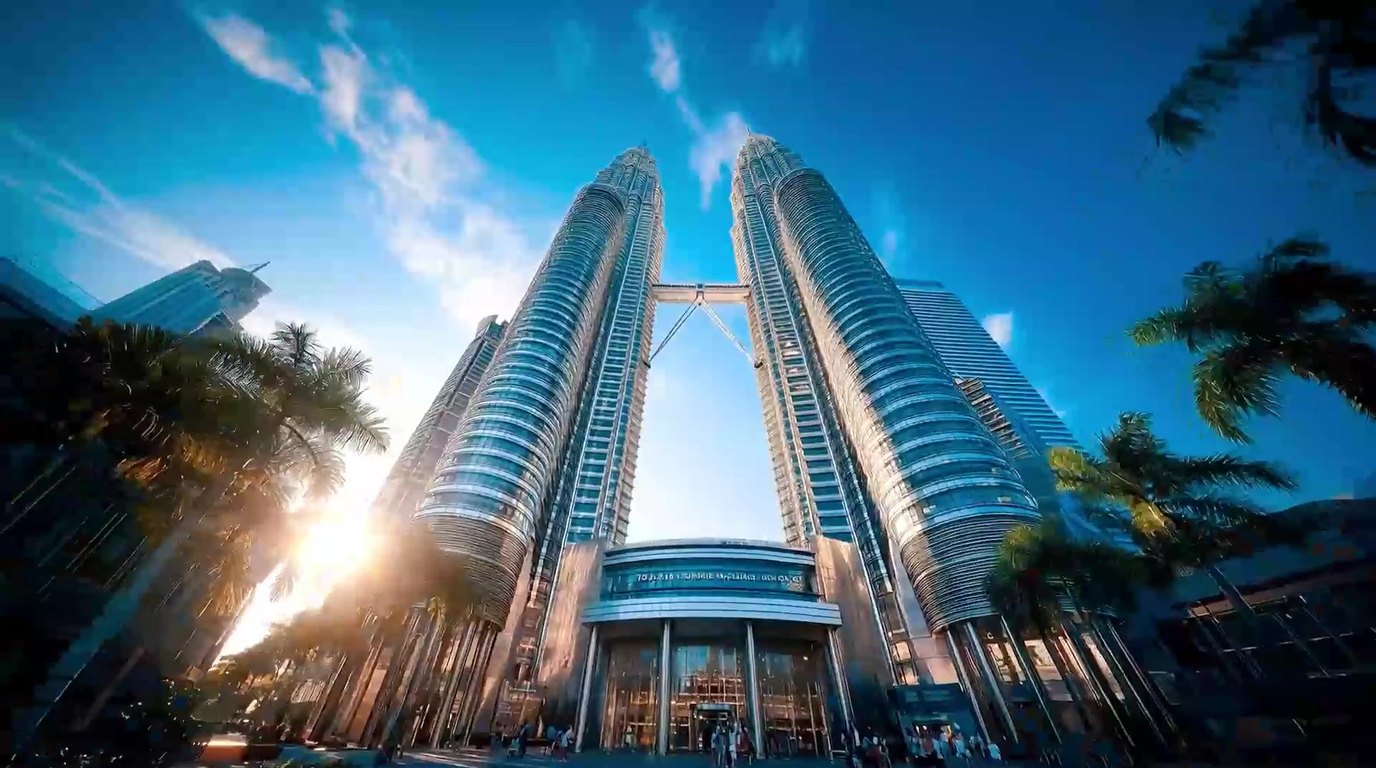
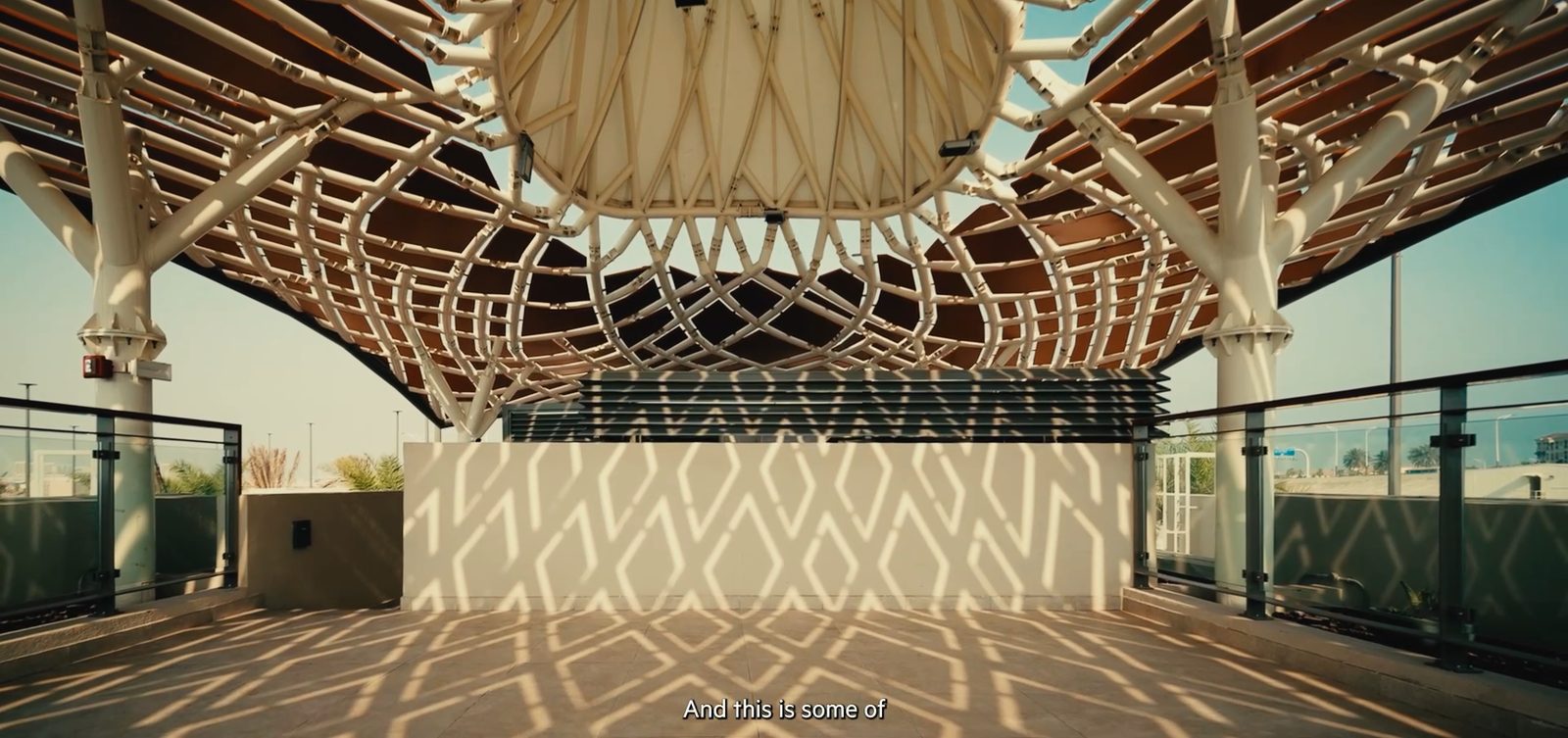
- 2Shots we could not filmA film about an architecture practice has a built-in problem: much of what a practice designs does not exist yet. The film says so itself, with the line “Long before it’s real.” Where there was nothing to point a camera at, we generated the shot and cut it in beside the filmed material.On shots we could not film
- 3Extending and enhancing real footageA take that was nearly right did not mean a reshoot. Where a real shot needed to go further than the camera had, we extended or improved it in post and kept the real footage underneath.On real footage
- 4TransitionsAI did much of its work in the joins. A film this short has little time to move from a desk to a skyline to a model on a table, and the transitions are what carry the viewer between them.Between scenes
| When | What AI did | Why it was worth using |
|---|---|---|
| Before the shoot | Concept and storyboards | The look, the order of shots and the pacing could be seen and agreed before a crew was booked |
| On shots we could not film | Generated the shot | Some images have nothing to point a camera at, so generating them was the only route |
| On real footage | Extended and enhanced it | A good take could be taken further in post instead of being reshot |
| Between scenes | Transitions | The joins that carry the viewer from one scene to the next |
The camera carries the people and the place. AI carries what the camera could not reach.
Thinking about an AI ad film?
Tell us the product, the audience and the deadline. We reply within one working day with a scoped quote.
Why the real footage had to lead
A corporate film is a statement about who a company is, so the people in it should be real. Audiences are also quick to notice when they are not. In our write-up of the 2026 numbers on AI advertising, the trust penalty fell on AI that viewers could detect, not on AI as such. That is why the order matters: shoot first, then use AI for the gaps.
What to ask a studio before you commission a hybrid film
If you are briefing this kind of work, these six questions separate a hybrid film from a generated one.
What it comes to
One minute forty-eight seconds, shot on location, with AI used where a camera could not go. The film is on our video production page, and the longer documentary for the same client is in the LWK + PARTNERS case study. For the cost side of a shoot see how much video production costs in Dubai, and for films generated with AI see AI ad films. If you are weighing a hybrid film for your own company, tell us what you are making.
Thinking about an AI ad film?
Tell us the product, the audience and the deadline. We reply within one working day with a scoped quote.

Hybrid film questions: shoot, AI and craft.
Was the LWK + PARTNERS film shot or generated?
It was shot. Our own crew filmed it at the LWK + PARTNERS Dubai studio, and AI was used in four places around that footage: concept and storyboards, shots we could not film, extending and enhancing real footage, and transitions.
Where is AI most useful on a real shoot?
Upstream and at the edges: concept and storyboards before the shoot, and shots the camera cannot capture afterwards. The camera should carry the people, the place and the product, and AI should carry what a camera could not reach.
Which AI tools did you use?
We have not named the tools for this film. They change from one quarter to the next, and the result depends far more on who directs and selects the footage than on which product generated it.
Can AI replace a real shoot for a corporate film?
For a film whose subject is real people and a real place, we do not think it should. AI can extend a shoot and cover what a camera cannot reach, but a corporate film is a statement of who a company is, and that is best carried by footage of the company itself.