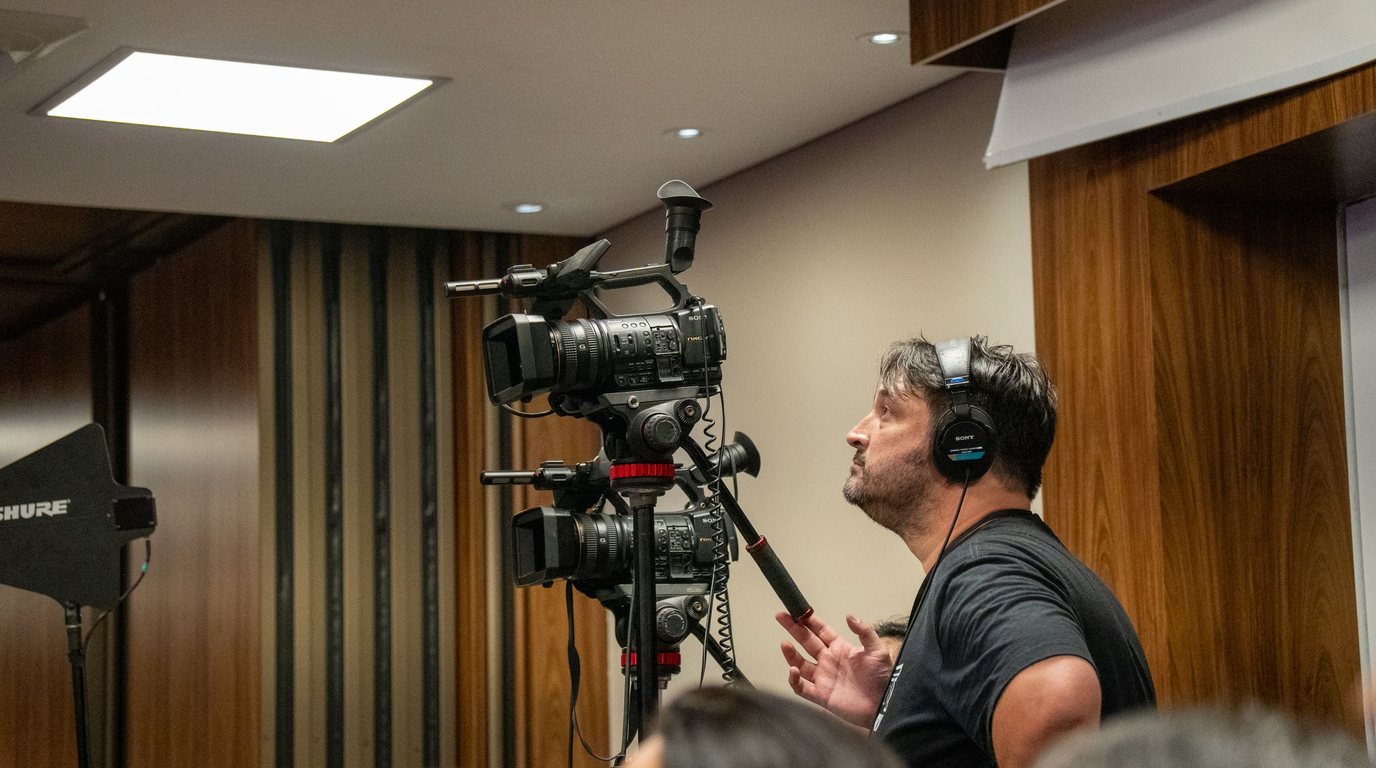

Shooting twelve months of content in three days
A single well-planned production block can out-produce a year of one-off posts. The economics of batching, the planning that makes it work, and why it tends to raise quality.
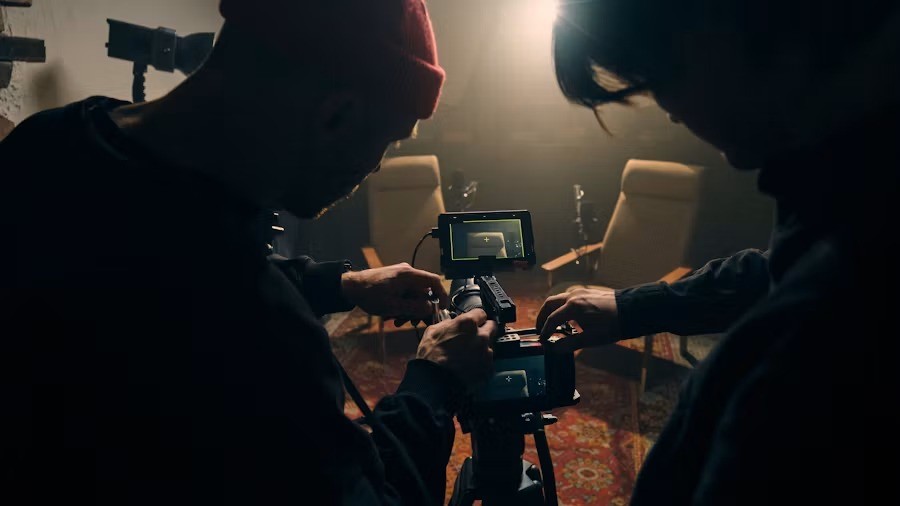
Most brands produce content the hard way: one idea, one shoot, one post, on repeat, forever. It feels productive because something goes out every week. In fact it's the most expensive way to make anything, because you pay the full setup cost every time for a single deliverable.
There's a better model. Book one focused production block, plan it properly, and walk away with a quarter (sometimes a year) of content in the can. We call it a content sprint. The maths behind it is almost unfair.
The hidden tax is the setup, not the shot
Every piece of content carries a cost you don't see on the invoice: the switching cost. Research out of UC Irvine put the price of a single context switch at around 23 minutes to fully regain focus. Scale that to a team writing, styling, shooting and editing one post at a time and you lose hours of real work every week just getting back into the task. It’s the creative equivalent of reheating the oven for every dish.
Batching deletes that tax. Studies of content batching consistently find teams save 50 to 70% of production time in the first month simply by doing like tasks together. You light the set once, style the talent once and get into a rhythm, then keep shooting.
You don't pay for the photo. You pay for everything that happens before the photo. Do it once and the marginal cost of the next shot collapses.
Why batching raises quality
The counter-intuitive part: producing more at once tends to make the work better, not worse. When a month or a season of content is planned and shot together, you can see it side by side. That's when a brand starts to look like a brand: one palette, one lighting language, one tone of voice, holding across dozens of assets instead of drifting week to week with whoever happened to make that post.
It also frees the expensive thinking. Nobody is doing strategy at 11pm the night before a post is due. The ideas are decided upfront, in one place, where they can be pressure-tested against each other.



Need content that keeps coming?
Tell us what you publish and where. We reply within one working day with a scoped plan.
What makes a sprint work
The shoot is the easy day. Most of the gain comes from the preparation:
- 01Plan against a calendar, not a mood.Map the campaigns, launches and moments the content has to serve before you write a single shot list.
- 02Build a shot list that stacks.Group by set, lighting and wardrobe so the day flows in one direction and nothing gets rebuilt twice.
- 03Design for reuse.Shoot verticals and horizontals, with and without text space, so one setup feeds a reel, a story, a post and an ad.
- 04Lock approvals before, not after.Concepts signed off in advance are what let the edit move fast without a committee.
The output is a library, not a to-do list
The bigger gain comes in the months after the shoot. Instead of chasing a feed that's always hungry, the team draws from a stocked library. They can schedule with a plan, respond to what's working and put the saved hours into strategy and distribution. Three good days of production, planned well, buy back the rest of the year.
Need content that keeps coming?
Tell us what you publish and where. We reply within one working day with a scoped plan.