
The UAE permit rules, and the case for content you own
Since 1 February 2026 anyone posting ad content from inside the UAE needs a permit, and the brand is expected to check. The quiet consequence is that the cheapest content in a plan is now the content you shoot yourself.

Since 1 February 2026, anyone creating advertising content while in the UAE needs an advertiser permit from the UAE Media Council, and companies are expected to check that the people posting for them hold one. It covers paid and unpaid promotion, and it reaches visitors as well as residents. The paperwork side is straightforward. What it does to a content plan is where the money moves.
We produce social content out of Dubai and Pakistan, and since the deadline the same conversation keeps happening: a brand counts up the creators on its roster, counts up the permits it now has to verify and track, and asks what it would cost to simply shoot more of this itself. Usually, less than it thinks.
What the rule requires
A permit from the Media Council for advertising content produced inside the UAE. Residents and citizens apply directly and hold an electronic media trade licence alongside it, and the permit is free for the first three years before moving to annual renewal. Visitors cannot apply for themselves: an accredited UAE agency raises the permit, and it renews every three months. Personal accounts promoting their own products or services are exempt. Published penalties run from AED 10,000 to AED 1,000,000 depending on the breach, with AED 10,000 for a first offence of advertising without a licence and AED 40,000 for a repeat.
None of this is legal advice. The Media Council publishes the current requirements, and they are worth reading before a campaign goes out.
What it does to a creator-led plan
It adds an administrative layer to every name on the roster. Each creator has a permit with a number and an expiry, and both have to be checked before a post goes out, not after it. A flown-in creator carries a three-month permit raised by somebody else, which puts a dependency on your campaign timeline that has nothing to do with the work. Multiply that across twenty creators and two markets and you have a tracking job that nobody budgeted for.
None of that makes creator marketing a bad idea. It does change the maths on using creators for volume. Paying for reach is one thing. Paying for twenty permits, twenty contracts and twenty sets of expiry dates to fill a content calendar is another.
Need content that keeps coming?
Tell us what you publish and where. We reply within one working day with a scoped plan.
The cheaper half of the plan
Most of what a feed needs is not reach. It is volume: product frames, offers, menu announcements, explainers, before and after, the ordinary weekly rhythm that keeps an account alive. That material does not need somebody else’s audience, and it does not need somebody else’s permit. It needs a shoot day and a system.
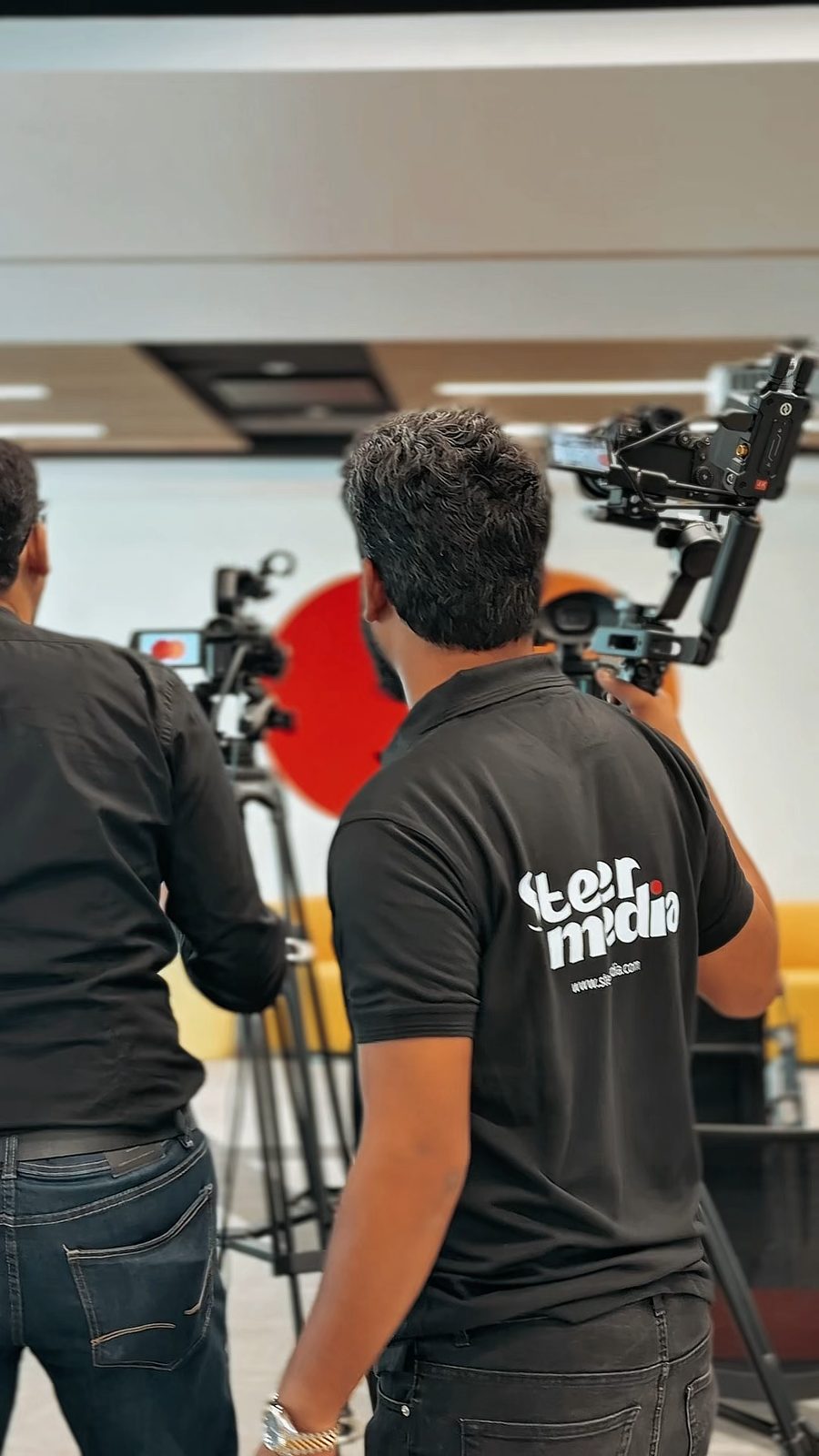
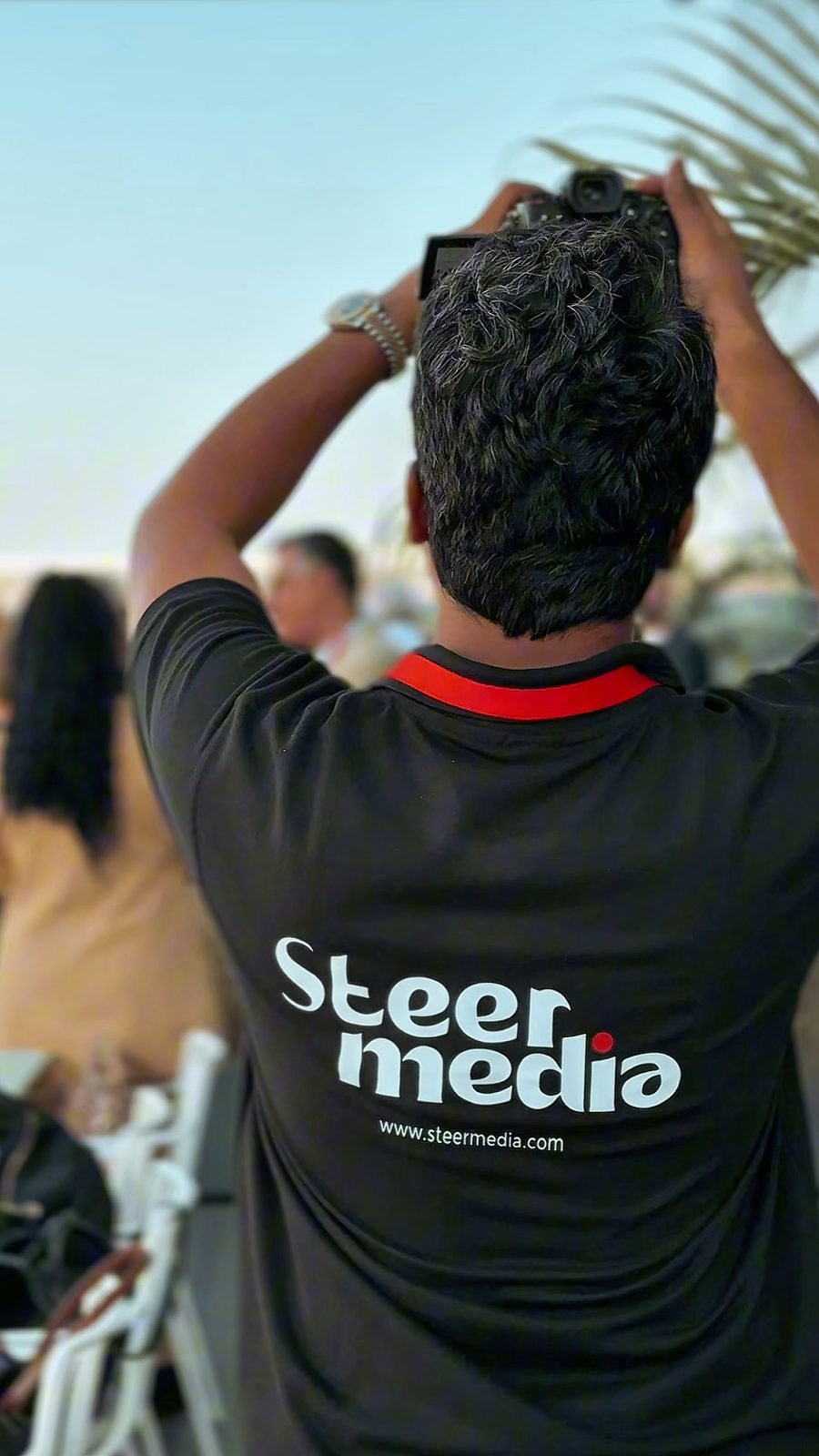
The creator-style look is reproducible too. Handheld framing, natural light, a person talking to camera, a product being used, not displayed. We shoot that format deliberately, in vertical, with the brand owning the files at the end. Our own reading of the market research is that the mix of registers beats either polished or scrappy on its own, which is an argument for producing both kinds yourself rather than outsourcing one of them wholesale.

What a self-produced month looks like
- 01One shoot block.A day or two that covers the month: product, people, talking-to-camera pieces and the offer frames
- 02A template system.Grid, type and layouts so a price or a date changes without a redesign
- 03Vertical first.Reels and stories composed for 9:16, not cropped into it
- 04Motion where filming cannot go.2D and 3D animation for propositions that have nothing to point a camera at
- 05A permitted creator layer on top.Fewer names, chosen for the audience they bring, with the paperwork checked once
Where creators still earn their place
Access to an audience you cannot reach any other way. That is worth paying for, and worth the admin. What is no longer worth it is using a roster of creators as a content factory, because the compliance overhead now sits on top of the fee, and you do not own the footage when it is over.
The shape most brands are settling into: own the base layer, rent the reach. A marketing and content retainer is built for exactly that, and the production side of it is one content sprint a quarter.
Need content that keeps coming?
Tell us what you publish and where. We reply within one working day with a scoped plan.

Content and permit questions: what changes, and what to shoot.
Do I need an advertiser permit to run ads in the UAE?
If advertising content is created while you are in the UAE, yes. Since 1 February 2026 the UAE Media Council has required an advertiser permit from citizens, residents and visitors, for paid and unpaid promotion alike. Personal accounts promoting their own products or services are exempt, and companies are expected to check that the people posting for them hold a valid permit.
Does the permit apply to gifted or unpaid posts?
Yes. The rule covers promotion whether or not the creator is paid, so a gifted stay, a seeded product or an unpaid mention is treated the same as a paid placement. Payment is not the test; promoting a product or service to an audience is.
Can we make creator-style content without creators?
Yes, and for most of a content calendar it is the cheaper route. Handheld, vertical, talking-to-camera material can be shot in a planned block alongside the polished work, which gives you both registers from one crew call and leaves you owning the files. Creators then get used where their audience is the actual reason to hire them.
How much content comes out of one shoot block?
A single well-planned day typically covers a month of feed content, and a two or three day block can cover a quarter. The gain is not only the saved crew calls: shooting the set together is what keeps the month looking like one brand instead of a dozen unrelated posts.